


5 Ways Our College Counseling Team Gets to Know Your Students
A key part of our role as college counselors is writing the school letter of recommendation that accompanies each student’s applications, alongside their teacher recommendations and transcripts. While classroom teachers describe academic performance and intellectual engagement, the school letter offers a broader view, contextualizing a student’s role within the Winsor community, highlighting their strengths, and reflecting on the impact they may have on a college campus.
Many ask how, if we only meet with students beginning in their junior year, we can present a comprehensive picture of their contributions and personal strengths. The truth is that these letters are built on far more than our individual meetings. Long before students walk into our offices, we’ve already been learning about who they are as thinkers, classmates, leaders, and community members.
Here are five ways Winsor’s college counselors get to know Winsor students well before junior year even begins.
1. Assemblies, homerooms, and Upper School meetings
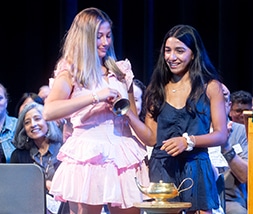
Throughout the year, we see students sing, act, play instruments, lead announcements, and share presentations in front of their peers. These moments showcase their confidence, creativity, humor, and communication skills, and remind us that learning at Winsor extends far beyond the classroom.
2. Working with advisors and faculty
We are advisors and meet regularly with advisor teams and the student life team. Beyond those meetings, informal hallway conversations with teachers often provide invaluable insights, from how a student collaborates on group projects to the thoughtful way they contribute in class discussions. These exchanges help us form a more complete, day-to-day picture of each student.
3. Observing broader community involvement and leadership
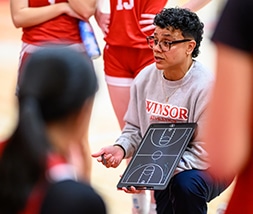
Whether a student volunteers at school events, mentors younger peers, or contributes to affinity groups and service initiatives, we learn a great deal about how they choose to invest their time. Contributions to the school newspaper, creative writing publications, or art exhibitions offer another glimpse into how students express themselves. We also notice who steps up in student government, athletics, and service groups, and how they use those roles to build and strengthen the Winsor community.
4. Casual interactions on campus
Some of the most meaningful insights come from the simplest moments: a quick hello in the hallway, a chat in the dining hall, or a passing conversation after assembly. These informal interactions often reveal students’ curiosity, humor, and kindness, and remind us how much character is expressed in everyday encounters.
5. We know Winsor
Every high school has its own curricular idiosyncrasies, and Winsor is no exception. Because we know the curriculum so well, we can appreciate the distinctive ways each student has engaged with our academic program and explain them. We understand what it means to challenge oneself here, and these insights help colleges interpret a student’s academic story in context, allowing them to see not just grades and courses, but the thoughtfulness, effort, and growth behind them.