


The Big Story Fall ’26
In This Issue
140 Years and Counting
The Winsor School has been devoted to excellent education for girls in Boston since its founding in 1886. Throughout these past 140 years, Winsor has prepared girls to speak powerfully, rewrite the rules, and guide decision-making to make the world better.
While the professional opportunities available to women have multiplied exponentially since our founding, our faculty have long prepared students to thrive in careers—including those that were once reserved for men. As society has changed, we have evolved to ensure we remain on the leading edge. While new science wings and refreshed athletic spaces are equally important to our evolution, Winsor traditions form the backbone of every student experience—traditions that make Winsor, Winsor.
In celebration of 140 years, we reflect on some of the enduring events, competitions, publications, and iconic objects that have helped shape this inimitable school.
116
Years
Miss Winsor's Bell
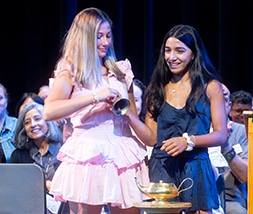
The gentle chime of Miss Winsor’s Bell has opened and closed each school year since 1910. Made of brass with a leather strap, the bell is displayed (along with the lamp) in the head of school’s office year-round. The honor of ringing the bell was first given to the Class IV Lower School Council heads in 2005.
At the Lower School Closing Ceremony, a pair of newly elected rising Class IV students take the stage in the David E. and Stacey L. Goel Theater. One of their first tasks in office is to ring Miss Winsor’s bell, signaling the end of the school year, the conclusion of the Lower School Closing Ceremony, and the beginning of summer. The following fall, on the first day of school, the same Lower School Council heads ring the bell on stage again, this time officially kicking off the year as students transition from Convocation back to academic classes.
116
Years
The Lamp
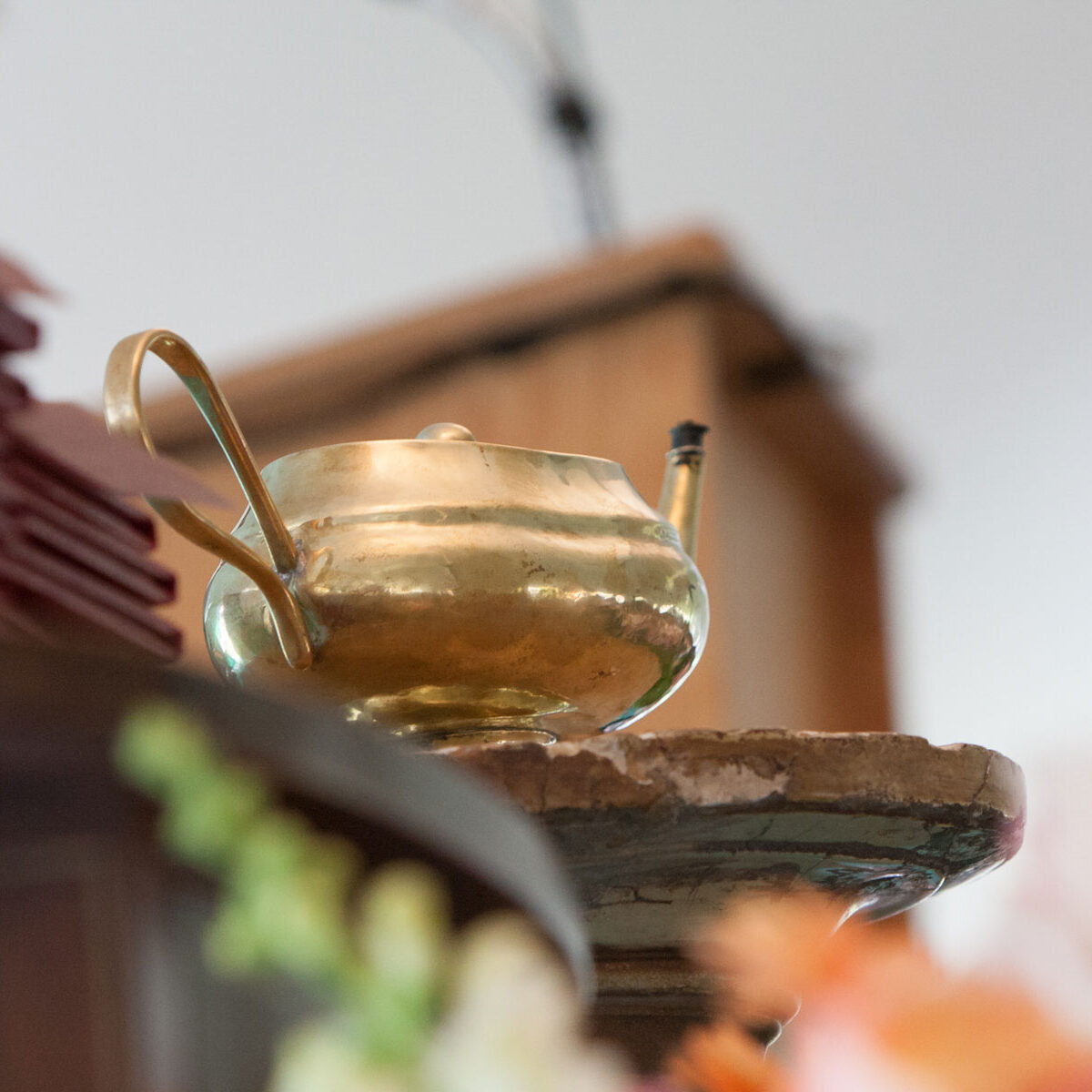
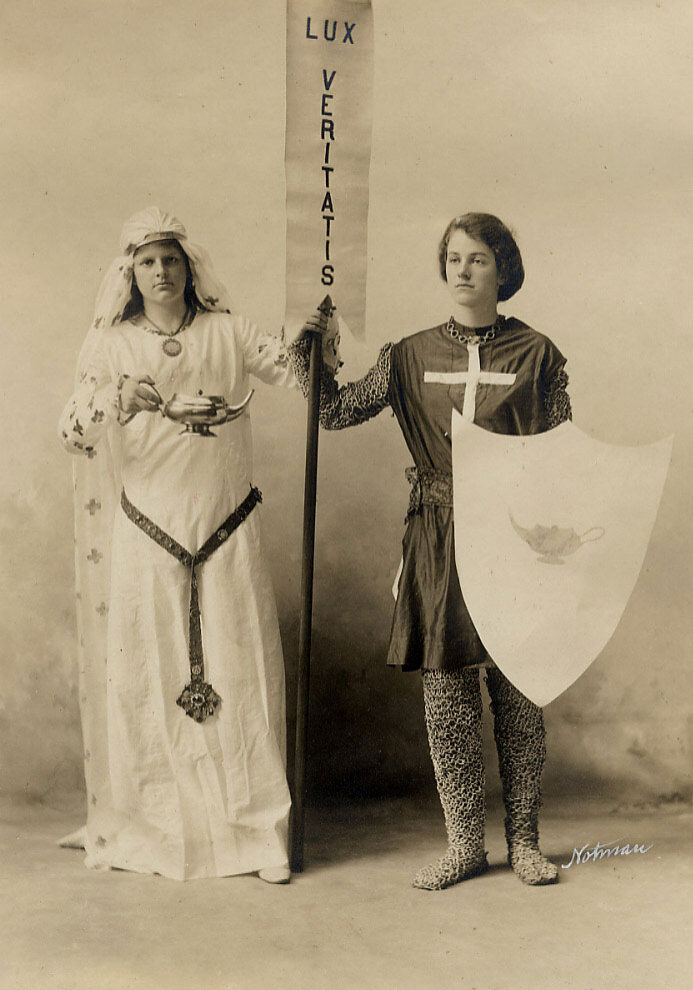
A gift from the Class of 1910—the last class to graduate from Miss Winsor’s on Beacon Street—the lamp is a cherished and handmade Winsor artifact. At the 1910 dedication of the new schoolhouse on Pilgrim Road, the lamp rested on a pedestal, as it still does at Convocation each fall and at Commencement each spring. At the initial dedication, Susan Hallowell Brooks, Class of 1901, referred to it as “the Lamp of Learning whose product is the Light of Truth.”
In the fall, the senior class president carries the lamp and leads the procession of students into the David E. and Stacey L. Goel Theater for Convocation. Again in the spring, they lead the procession of students and faculty into the Commencement tent. At Commencement, during the singing of “The Lamp of Learning” by Gretchen Howes Waldo, Class of 1902, care of the lamp is transferred from the current senior class president to their recently elected successor.
Lamp iconography is a symbol of Winsor and is featured on the Winsor class ring, the official Winsor seal, and also in the newly redesigned Winsor logo.
115
Years
Head of School Portraits
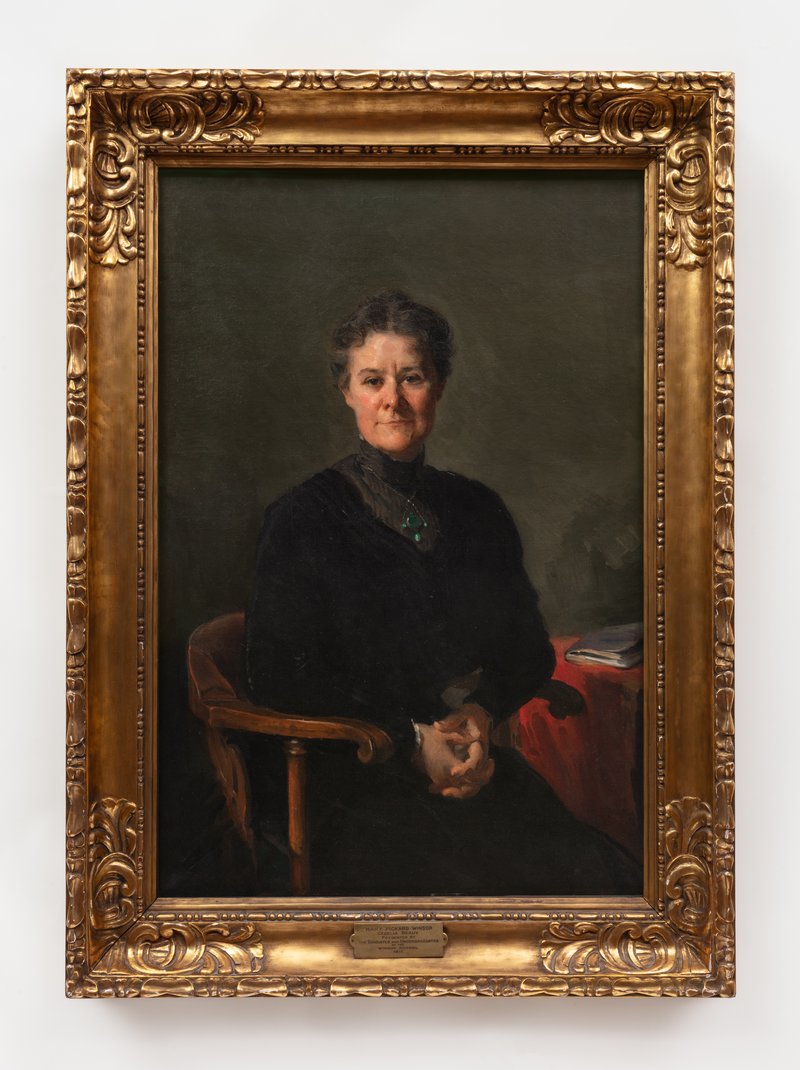
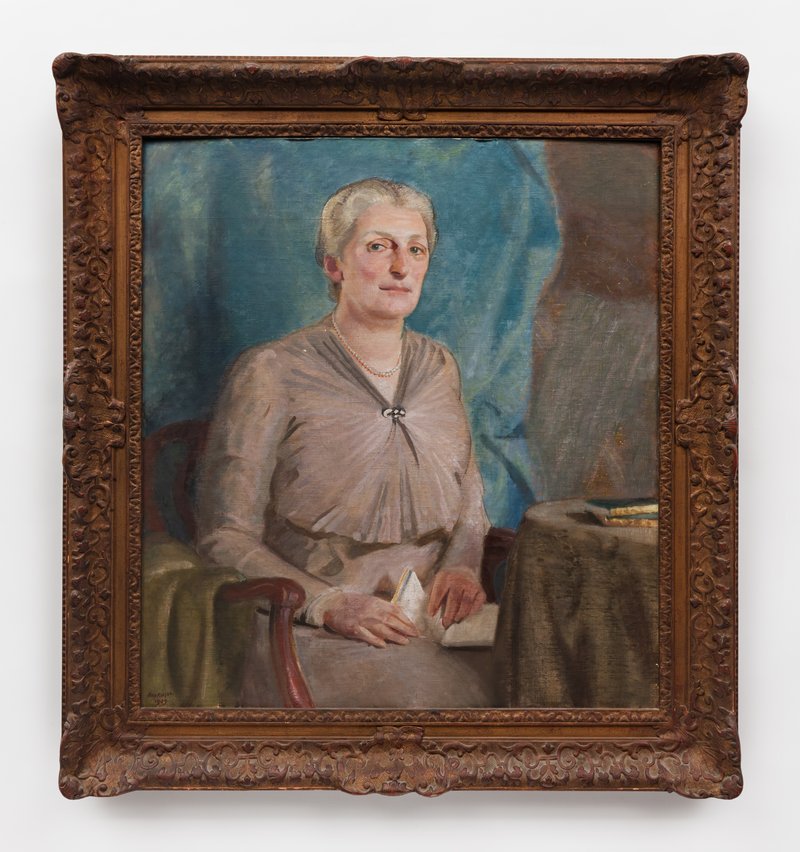
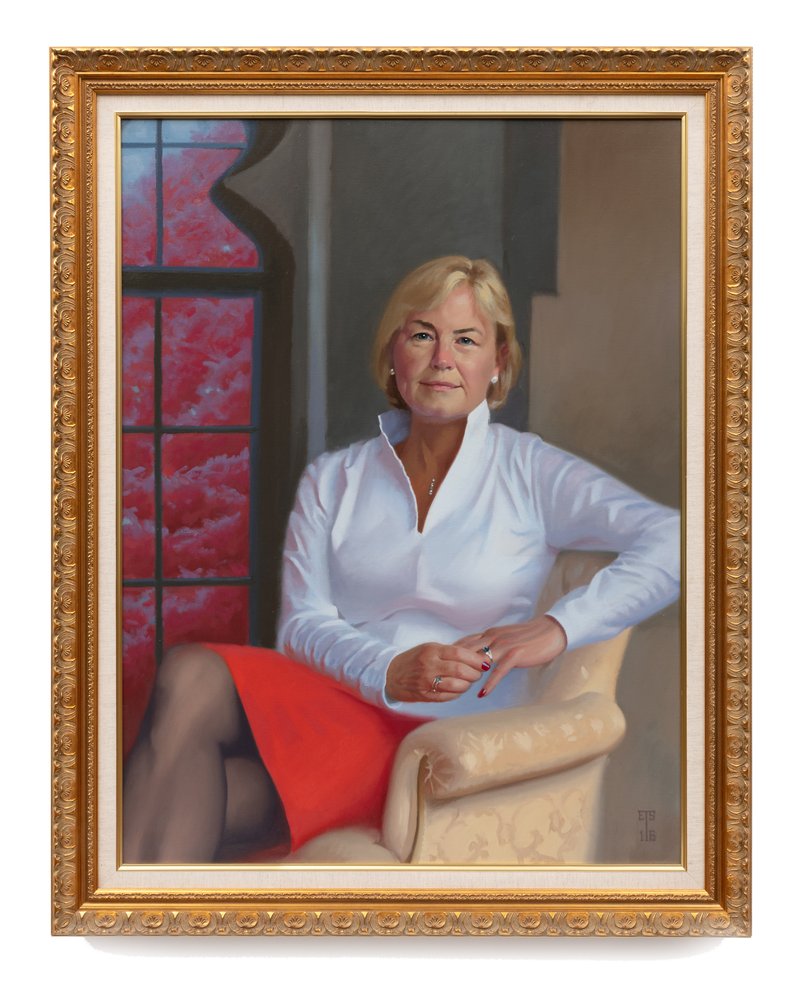
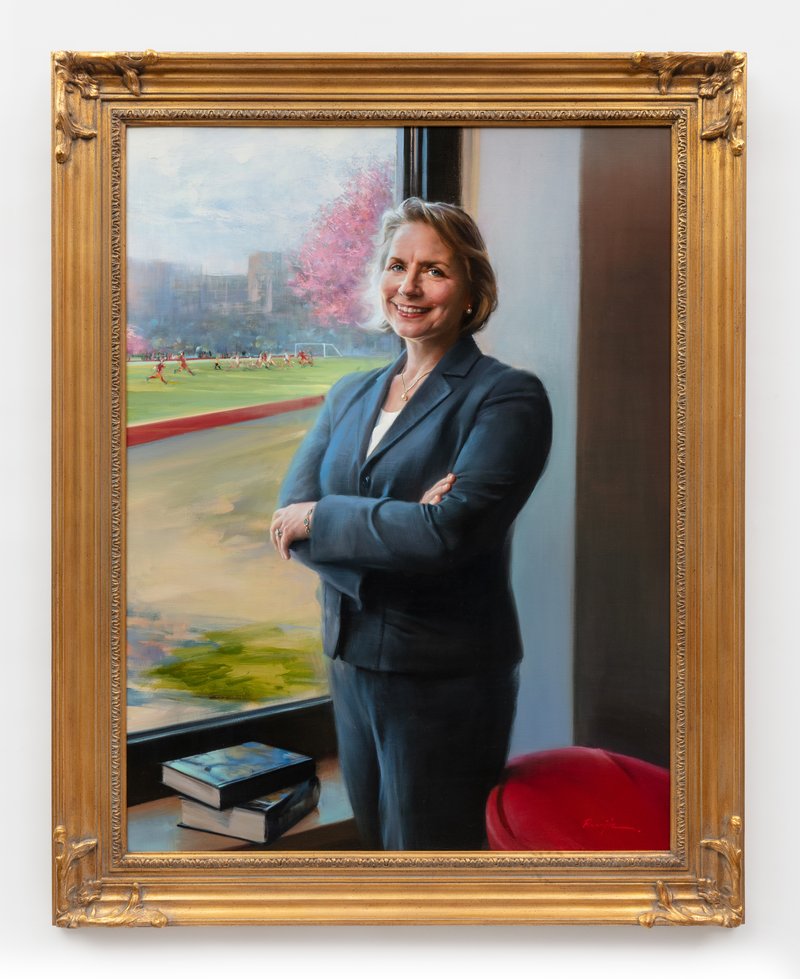
Only nine women have led the school during its 140-year history, a sign and source of Winsor’s leadership stability. As each leader closes her time at Winsor, her tenure is marked with a portrait. The portraits hang on the third floor of the Virginia Wing Library.
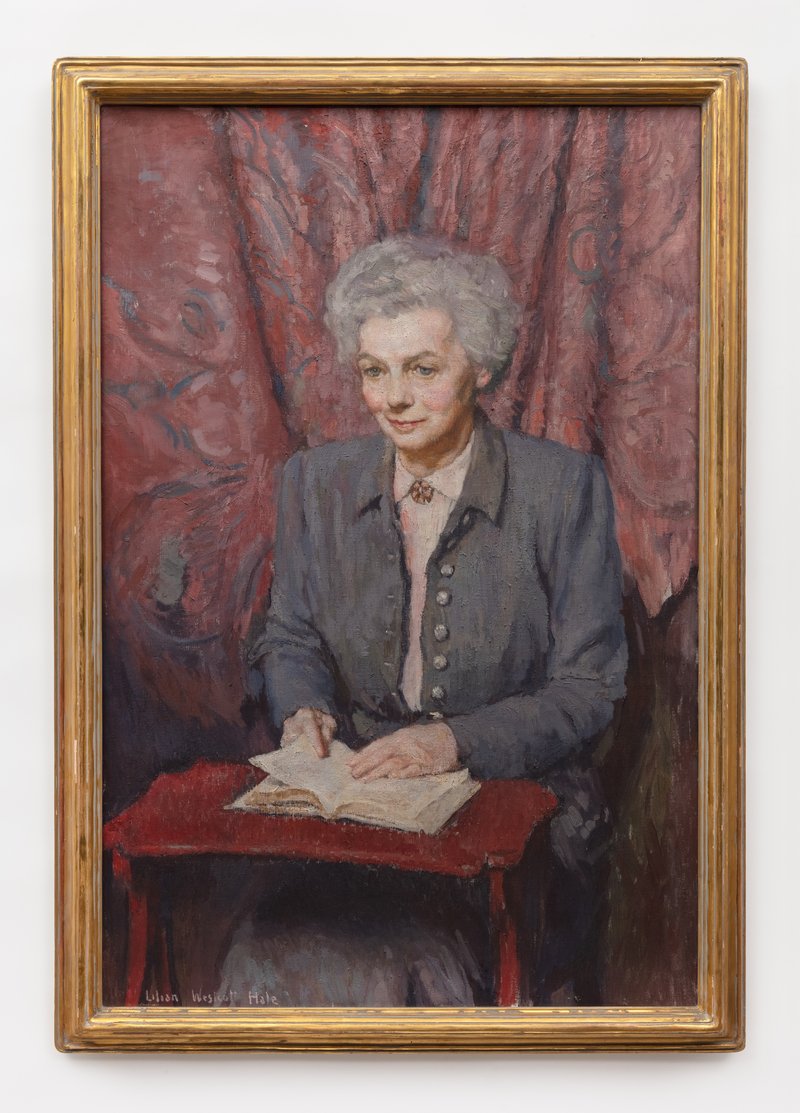
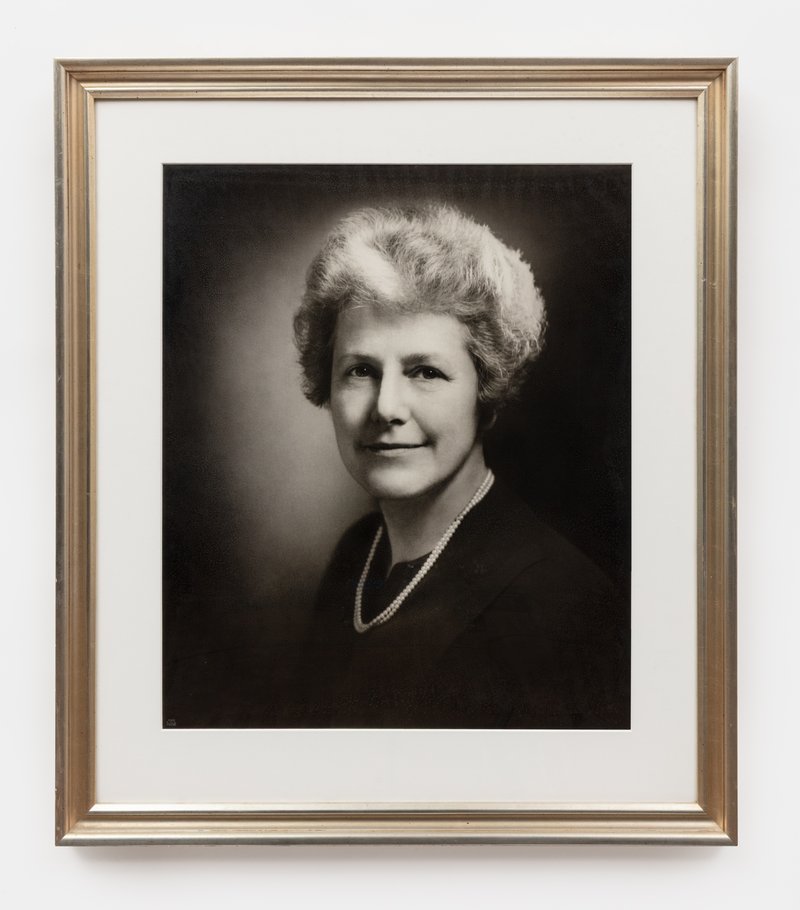
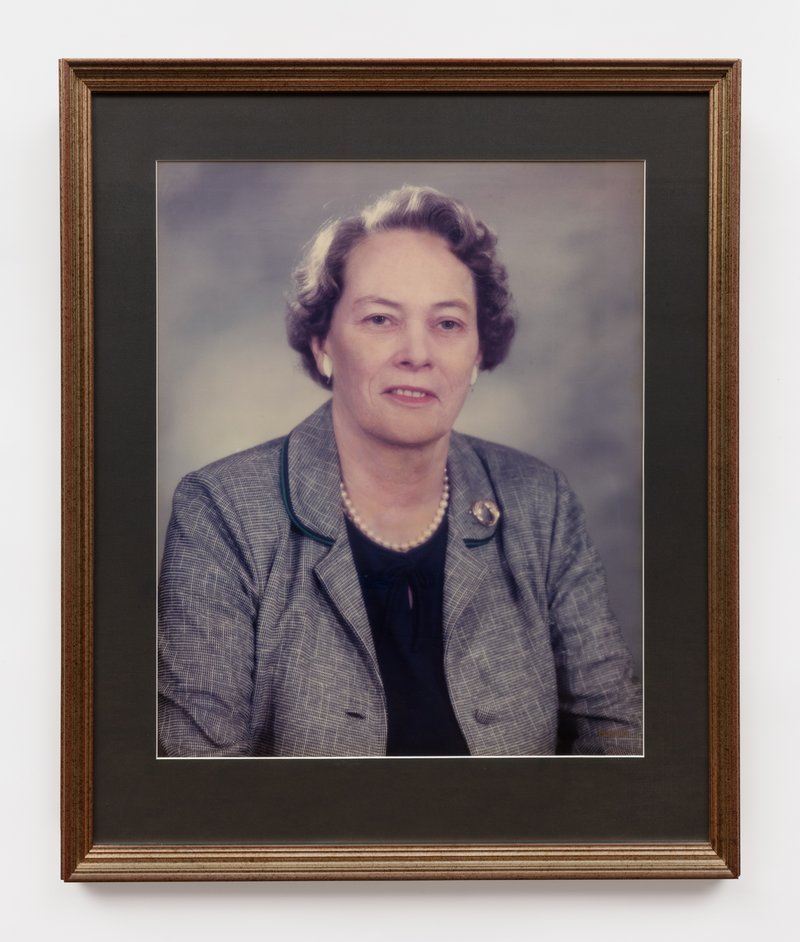
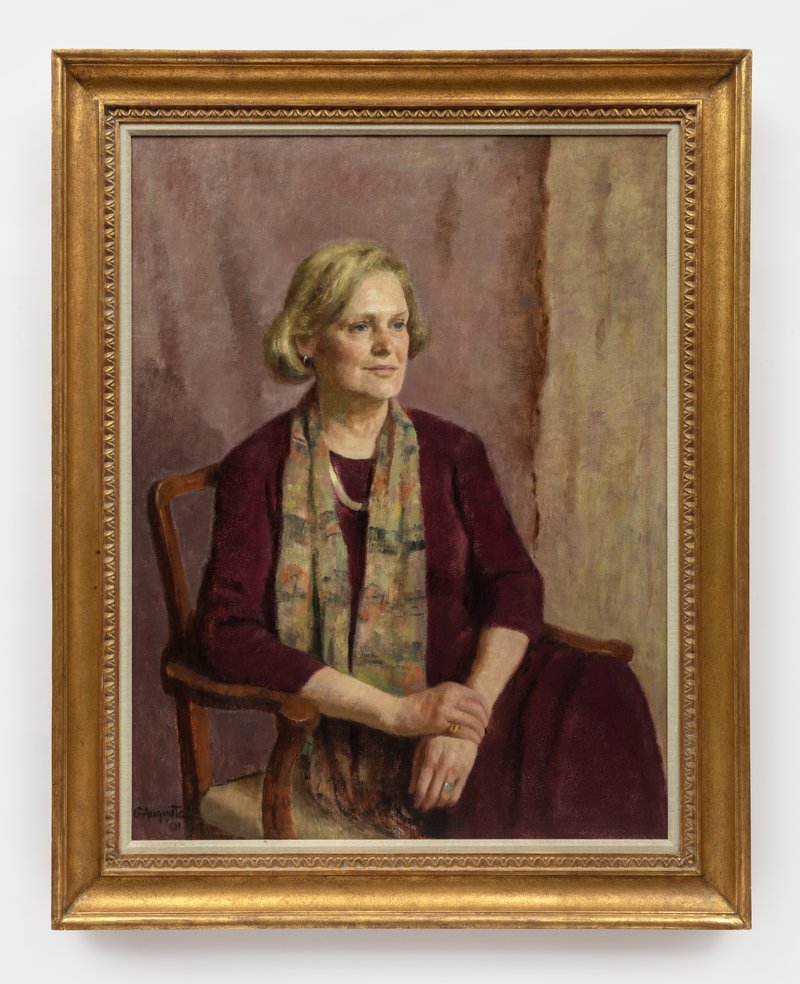
113
Years
Hemenway Prize for Speaking Competition
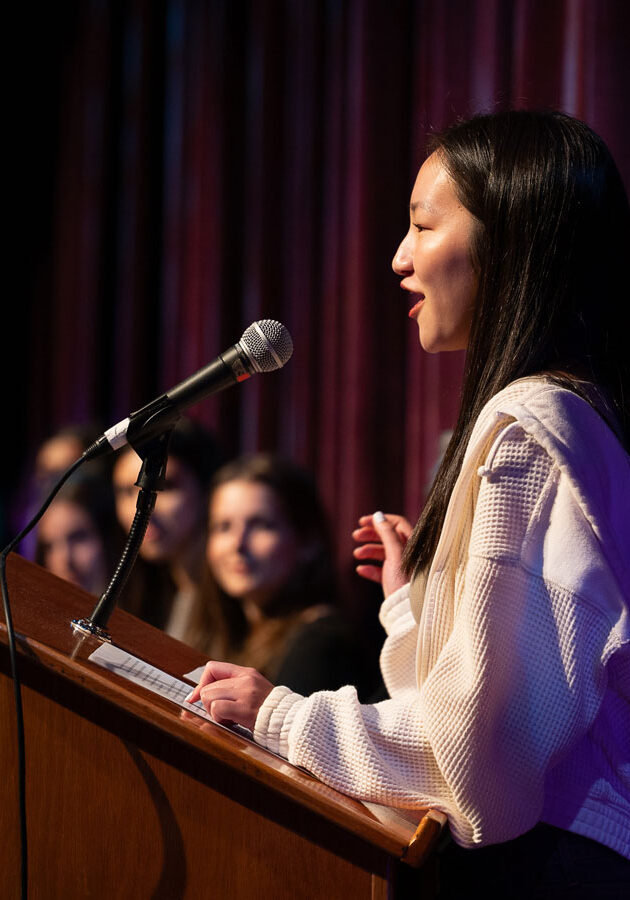
Established by an original corporator, Harriett Hemenway, the Hemenway Prize for Speaking Competition traces its roots to 1913. The competition challenges seniors to develop and deliver a speech of substance, and reflects Winsor’s long-held belief in the importance of public speaking skills and the ability to speak one’s mind. A strong, outspoken woman and animal rights activist, Miss Hemenway founded the Mass Audubon Society in the late 1800s.
Each March, the entire senior class comes together in the David E. and Stacey L. Goel Theater and listens intently as members of the class deliver their own thoughtfully crafted, five-minute speeches. More than just a platform for soon-to-be graduates to showcase writing and presentation skills, the competition is a unique and powerful bonding experience for the seniors. The head of school, head of Upper School, and senior class dean attend the special day while advisors drop in to hear speeches from their student advisees throughout the day.
Through their speeches, the seniors are challenged to share something that they have learned, something that matters to them, or something they want others to understand from their perspective. Ranging from heartfelt to lighthearted, students share stories that bring listeners to tears and to their feet.
After hearing speeches from the entire class of over 60 students, five finalists are selected by a panel of judges along with input from every member of Class VIII. During an all-school assembly, finalists present their speeches again, this time to the entire school. It is truly the speech of a lifetime. Indeed, crowd support is often deafening in volume.
The judges are typically two faculty members and one alumna (often a former Hemenway Prize winner). The speeches are judged based on substance, organization, style, presentation, and clarity. The winner of the Hemenway Prize for Speaking Competition is announced at the Awards Celebration each June.
111
Years
The Lamp
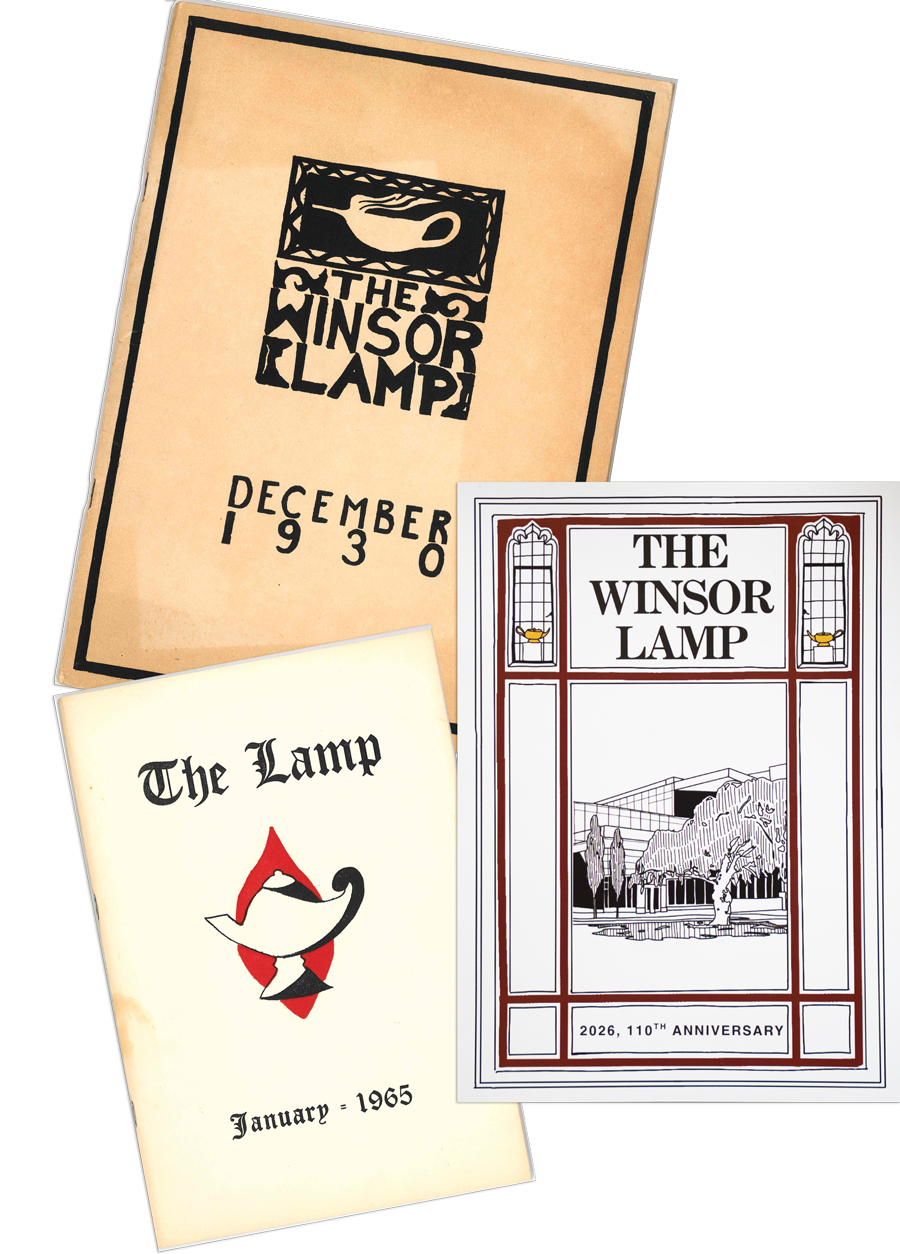
The Lamp dropped its first issue in December 1915. Described as a magazine to be “issued quarterly by the girls of the Winsor School, Longwood, Mass.” and “run” by them, a year’s subscription was $1. Early editions included stories and poetry alongside editorials, essays, school news, and alumnae class notes, which later migrated to the Bulletin magazine.
Today, the Student Association of Fine Arts (SAFA) publishes a yearly issue of Lamp, which has evolved into an arts and writing magazine. As an Upper School club, SAFA is dedicated to fostering artistic engagement at Winsor by creating a community to share and create art. During club meetings, students explore different types of art and discuss art history and current events.
Each spring, SAFA opens up submissions. “If you draw, write, paint, sculpt, take photographs, or create any kind of visual art, we encourage you to submit to Lamp!” read last year’s call for submissions, which was shared with the student body via email. In recent years, Lamp submissions have included drawings, paintings, photography, short stories, poems, and pictures of sculptures and ceramic pieces.
106
Years
Class 1 Play
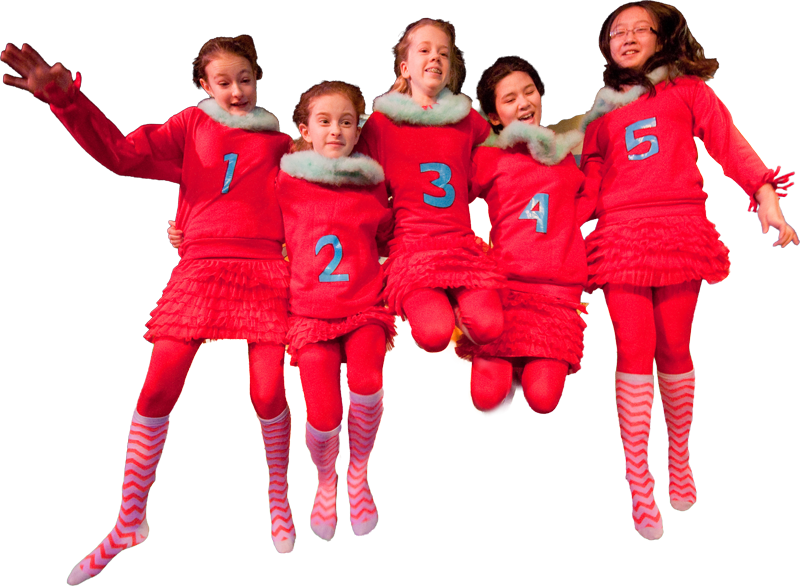
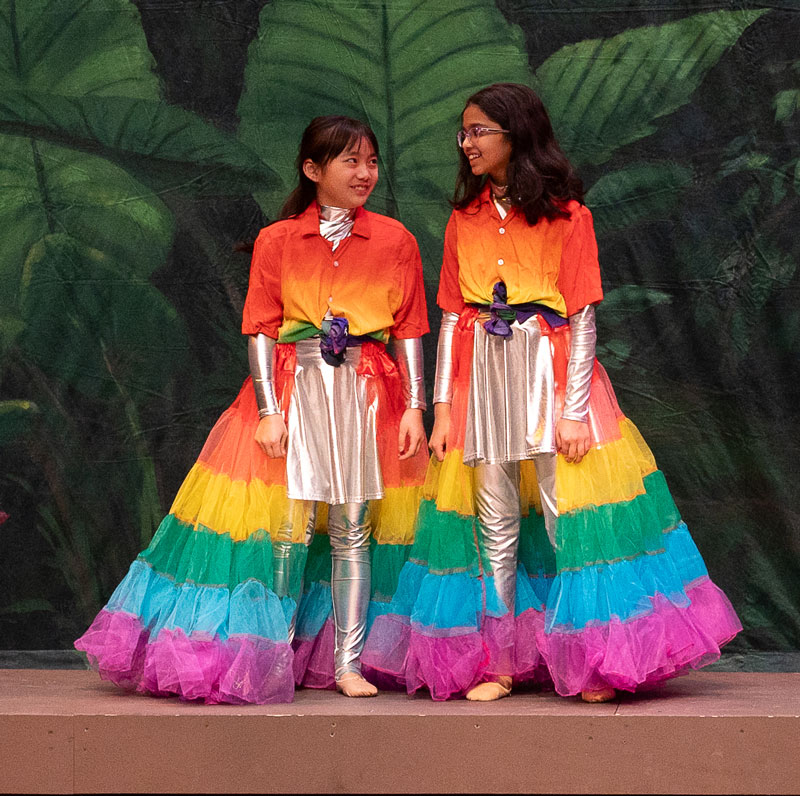
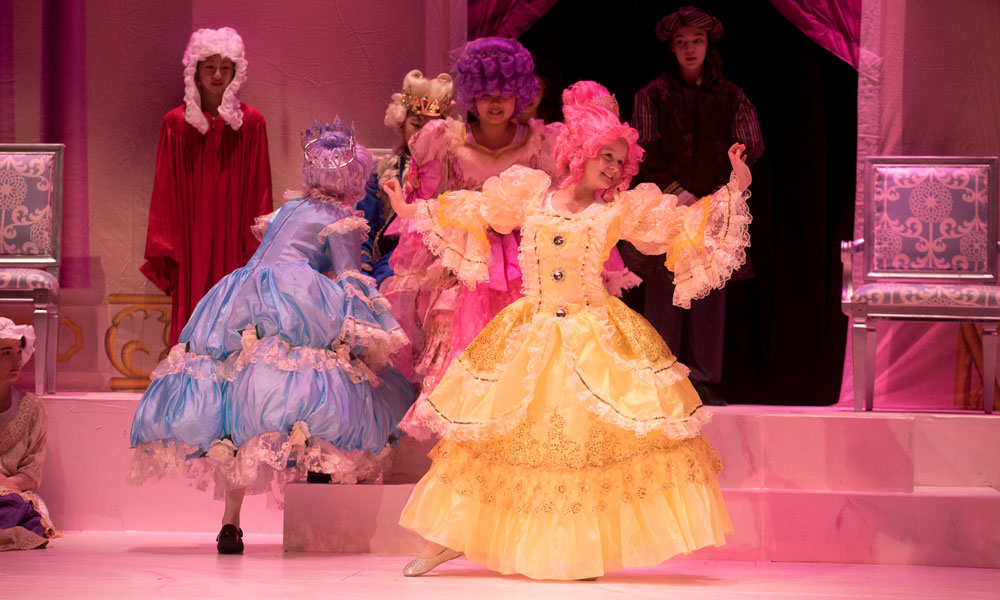
As bright and eager Class I students begin their Winsor careers in fifth grade, programs such as the Class I play are intentionally designed to develop student bonds, forge friendships, and bring the class together. As far back as 1920 and annually since 1939, Class I students have spent a good portion of the year working together on a full-blown production as actors, singers, and dancers, with sets, props, costumes, and lighting, which is later performed for the whole school.
Longtime Choral/Music Director and former Eleanor T. Nelson Chair in Fine Arts Lisa Taillacq, who taught at Winsor from 1978 to 2020, recalls the Class I play was often a selection from the Gilbert and Sullivan opera repertoire of the Victorian-era theatrical duo dramatist W. S. Gilbert and composer Arthur Sullivan. The Class I play “became a bonding experience for the newest students entering the school,” said Ms. Taillacq. “It showcased the talents of Class I students and introduced them to our Winsor family in a very special way, making it a very beloved tradition.”
Today, the Class I play is a Winsor world premiere. Inspired by global folk tales and stories, Theater Director Jeremy Johnson writes an original play, while Choral Director Andrew Marshall composes original songs. Costume Designer Jessica Pribble makes the vision come to life, Dance Faculty Anne-Marie Caraldi creates choreography, and Technical Director Andrés Puigbó, along with the stagecraft crew, works behind the scenes. The never-before-seen performance debuts at an all-school assembly with an encore performance for families.
104
Years
Alumnae Weekend
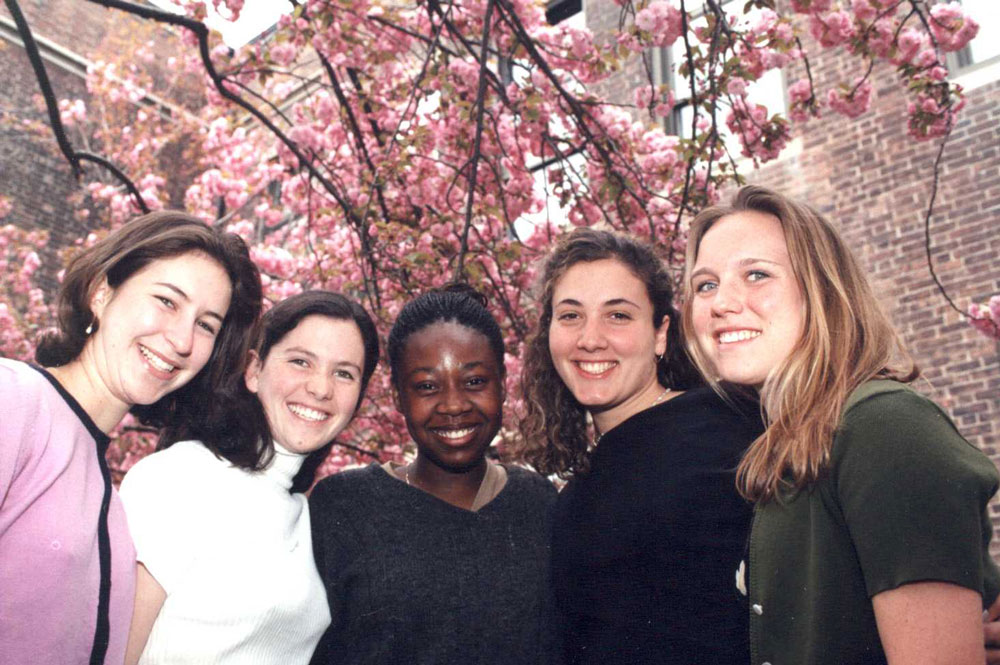
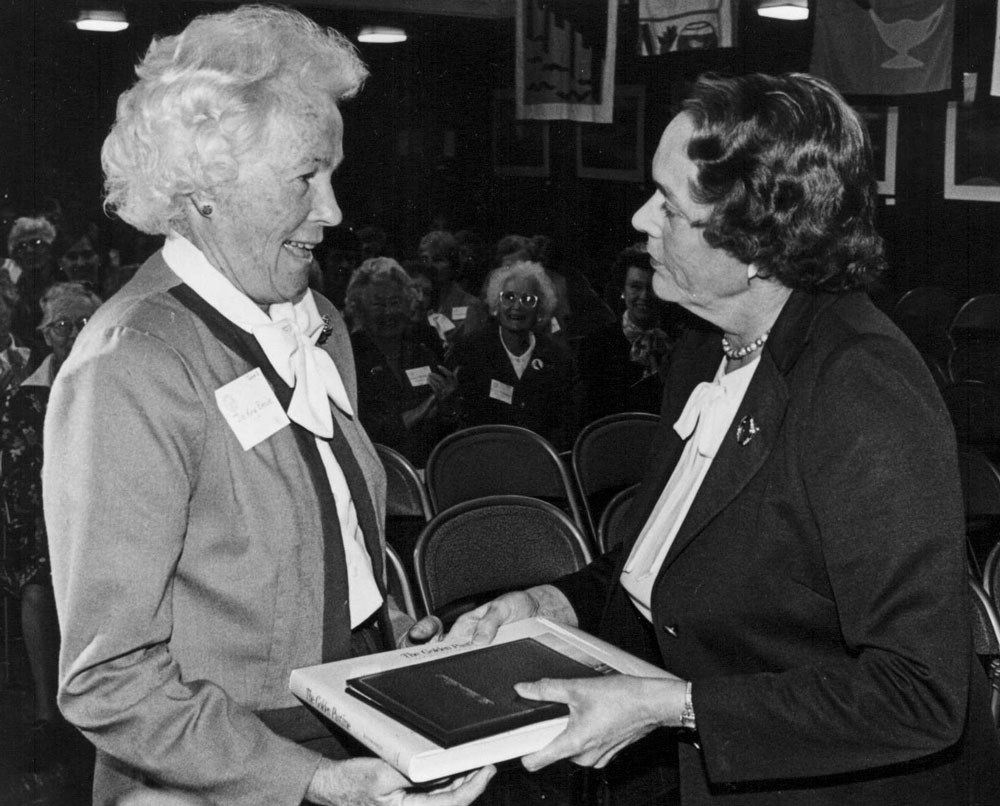
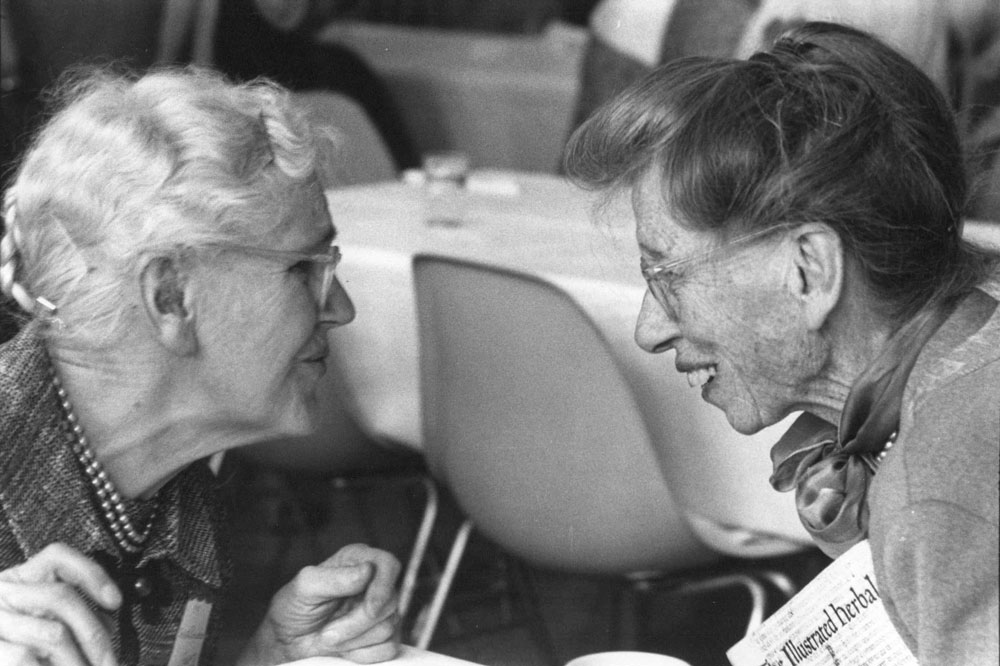
As many as 250 alumnae return for Alumane Weekend each May. The tradition of the weekend and class reunions traces its beginnings to the early 1920s. As early as 1907, a desire for connection to each other and the school spurred passionate alumnae to establish the Graduate Club of Miss Winsor’s School, now the Alumnae Association. The year of Miss Winsor’s retirement in 1922 marked the first of what became annual luncheons for alumnae. The events have grown in scope through the years—and shifted to the evening in 1987.
Today, there are reunion dinners on Friday night and programming on Saturday for alums to take classes with Winsor faculty, peek into the archives, hear from students, and take tours of the school. From noon to nine, campus comes alive with opportunities to celebrate alumnae accomplishments through the Alumnae Service Award, Young Alumnae Award, and Julia Lyman Simonds Distinguished Alumnae Award. Alums share reflections on the past and hopes for the future through our 25th and 50th reunion speeches, and enjoy the laughter, stories, and timeless bonds that make Winsor feel like home.
100
Years
Winsor Rings
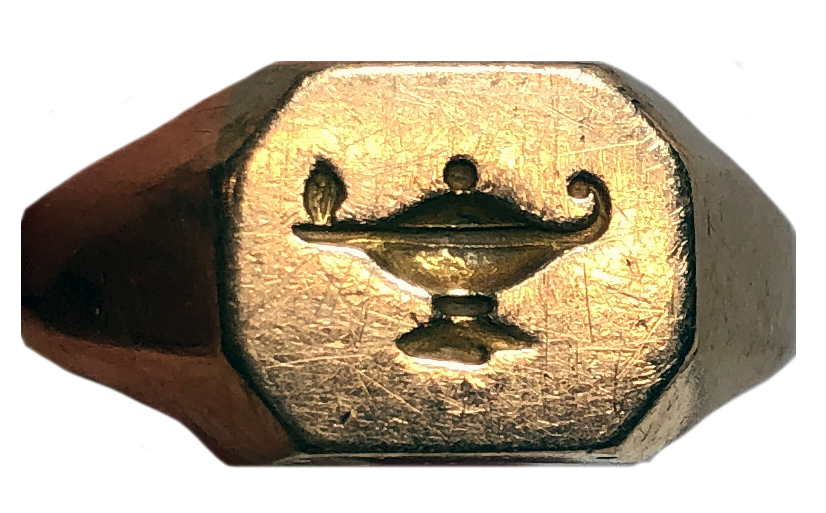

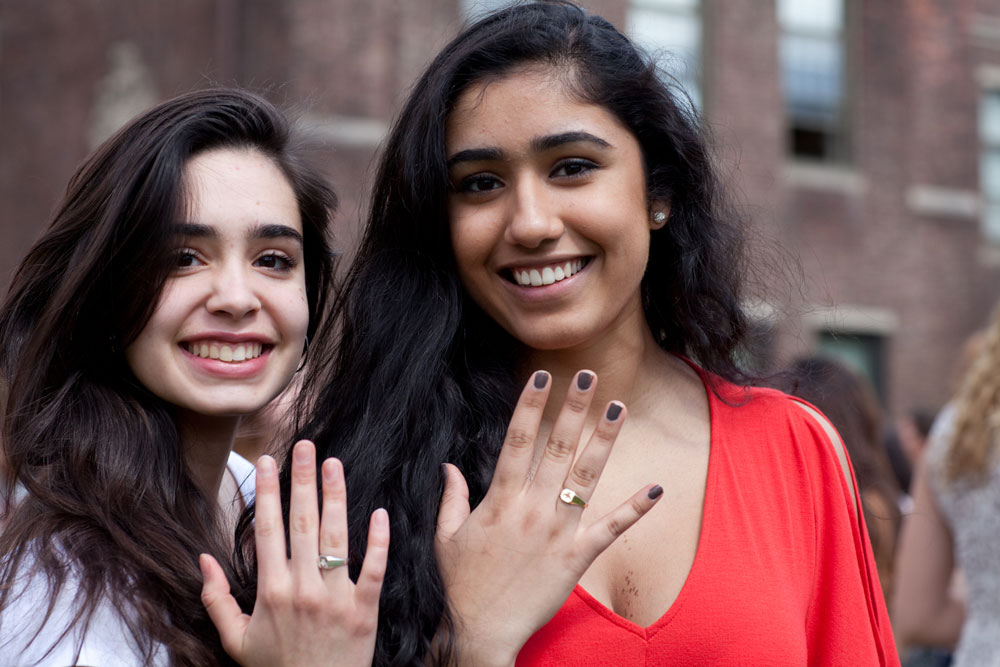
Each fall, juniors have the opportunity to purchase a Winsor School signet ring engraved with the enduring symbol of the lamp of learning.
According to a February 1926 issue of The Lamp, Winsor rings were discussed in heated homeroom debates. The Lamp editorialized: “Doesn’t it seem a trifle lacking in that elusive quality defined as ‘school spirit’ not to want a school ring, as an eternal, lasting bond between ourselves and all other classes of Winsor, those that have gone before and those that will come after?” By the end of that academic year, a committee selected a plain gold ring with a W in the center. “The school is to discuss the ring and vote as to whether we are to keep it,” read an entry in the 1926 graduation issue. The discussion must have led to the design we know today. Winsor rings continue to be a memento that links generations of Winsor students.
In recent years, “Ring Day” has become an exciting spring event on campus where seniors present juniors with their class rings. While the special day is supposed to be a surprise, juniors always seem to find out when it’s happening. In practice, a senior is matched with a junior and prepares a colorful poster or stages a proposal. While the seniors line up in the courtyard, the juniors rush outside to find their match and receive their ring. The scene is joyful (and boisterous) and has become a favorite Winsor tradition marking junior spring.
95
Years
Class IV Shakespeare Play
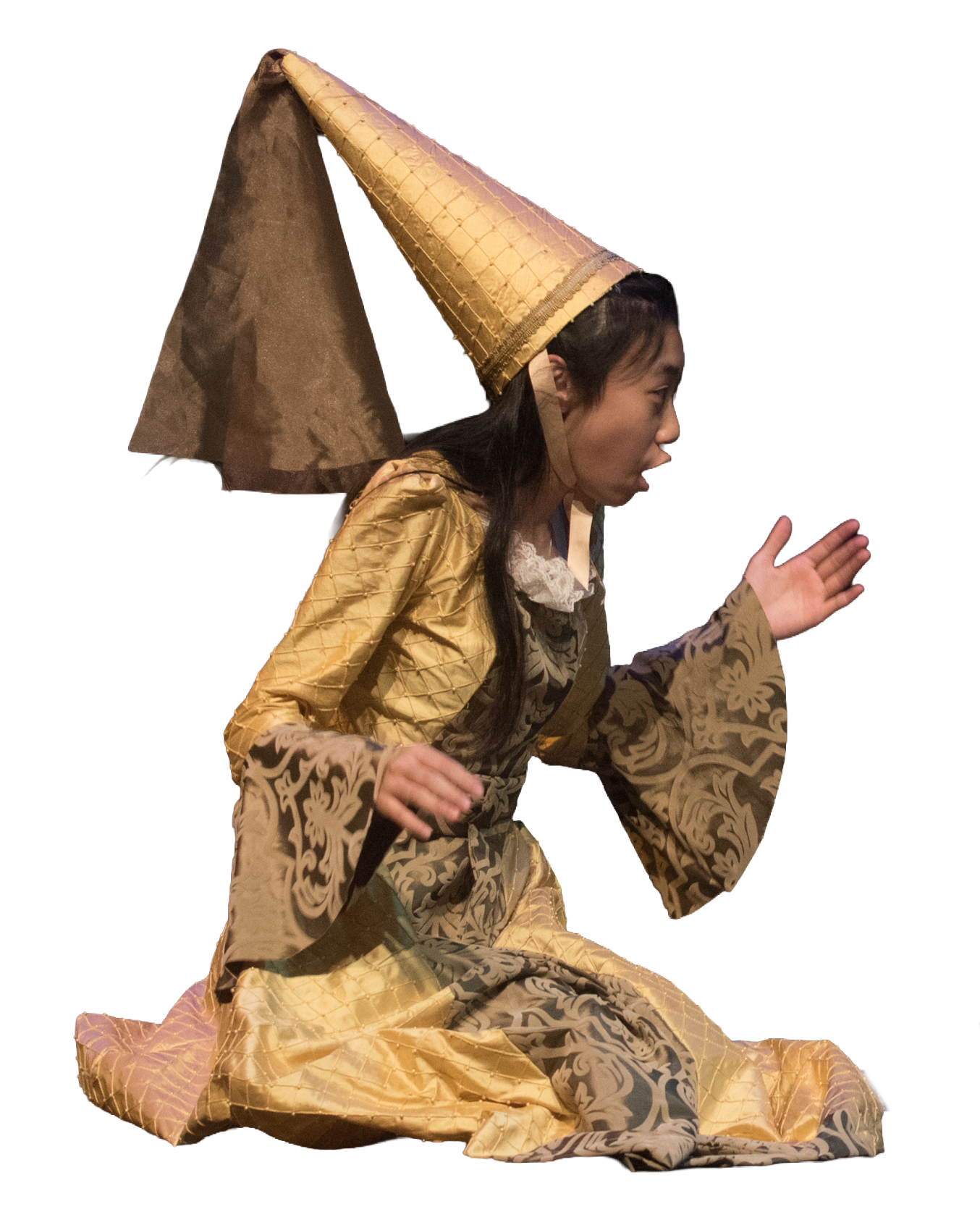
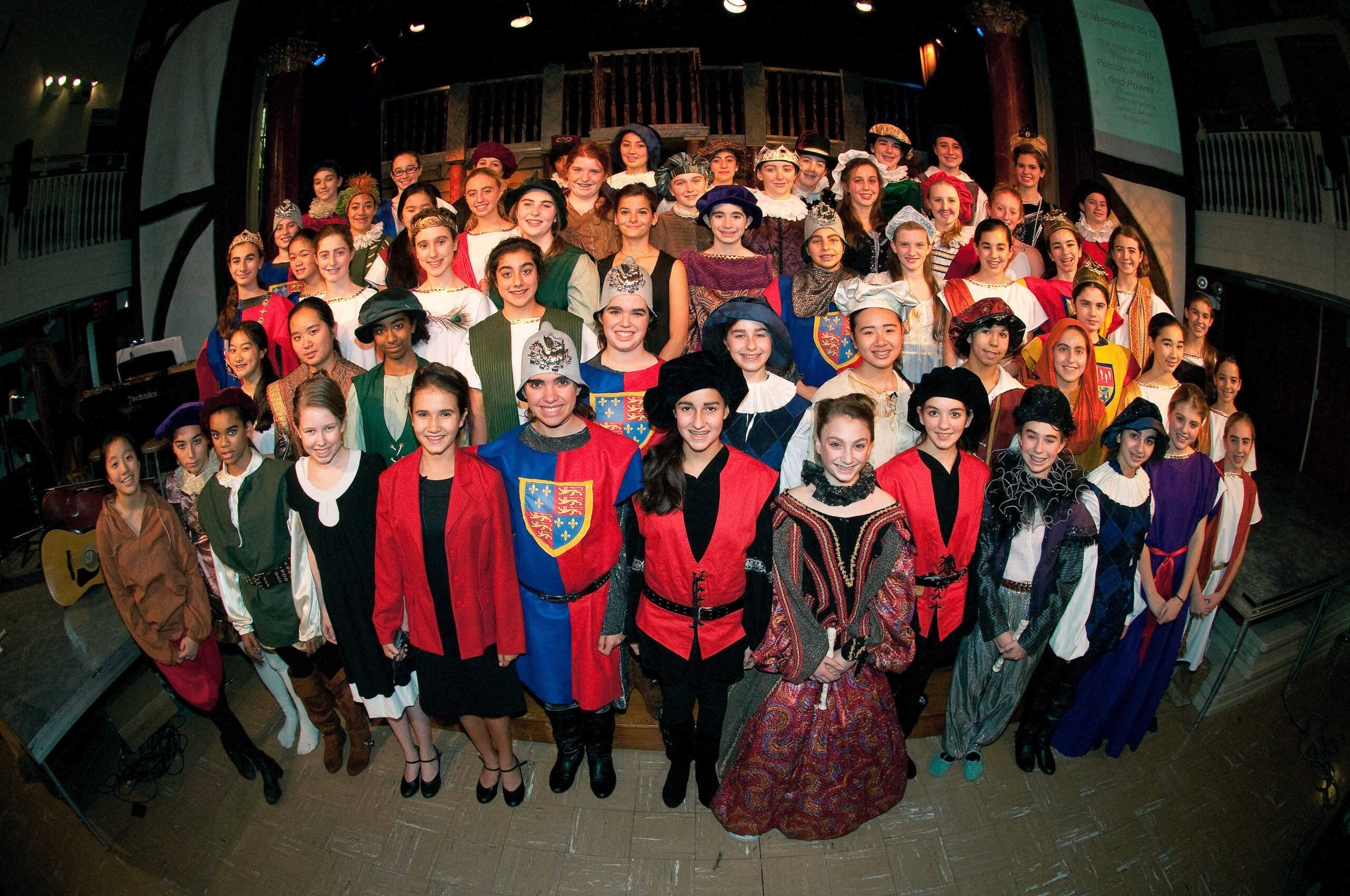
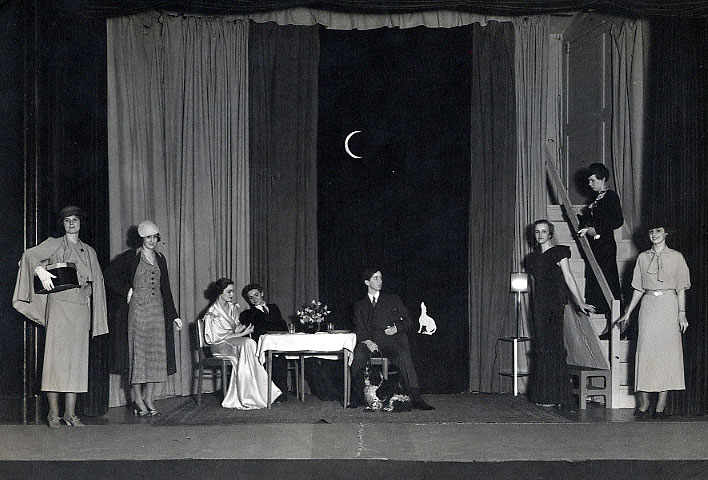
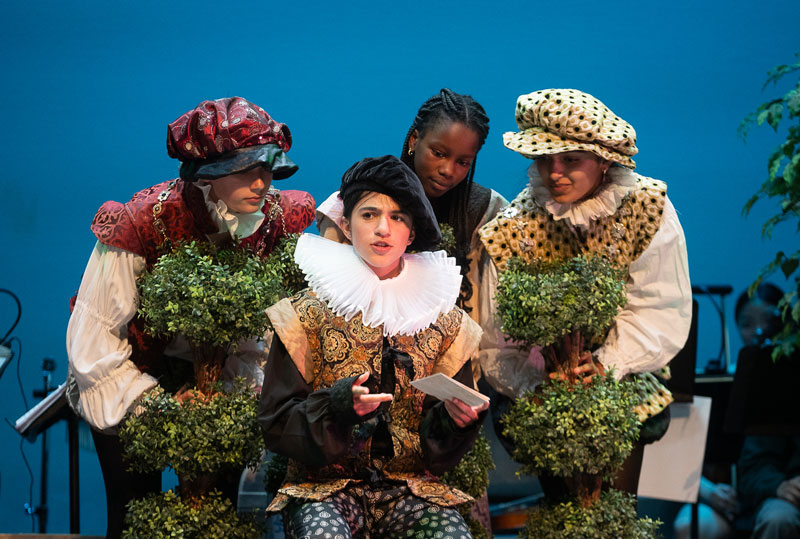
A longheld tradition dating back to 1931, Class IV students have the incredible opportunity to study the Bard of Avon together. “Shakespeare is a major capstone event for the entire class,” explains Theater Director Jeremy Johnson. “It allows them to work with each other on a common goal.” Twelfth Night (the first play produced), The Tempest, and A Midsummer Night’s Dream hold a three-way tie for the most productions at 14 each. Since a different play is selected each year, alumnae across generations often compare the tragedies, comedies, and histories they participated in, forging instant connections with classmates decades apart.
The theater program at Winsor has grown a great deal since the Lubin-O’Donnell Center opened in 2015. Historically, there was just one version of a play, with some students on stage and many others behind the scenes. With the exception of a single filmed production during the pandemic, since 2017 and under the guidance of Mr. Johnson, there is now a dual play format. For example, during the 2025–26 school year, Class IV performed two separate productions of Romeo and Juliet—one set in Renaissance Verona, Italy, in keeping with the original script, and one set a bit further afield, in the Wild West of the mid-1800s.
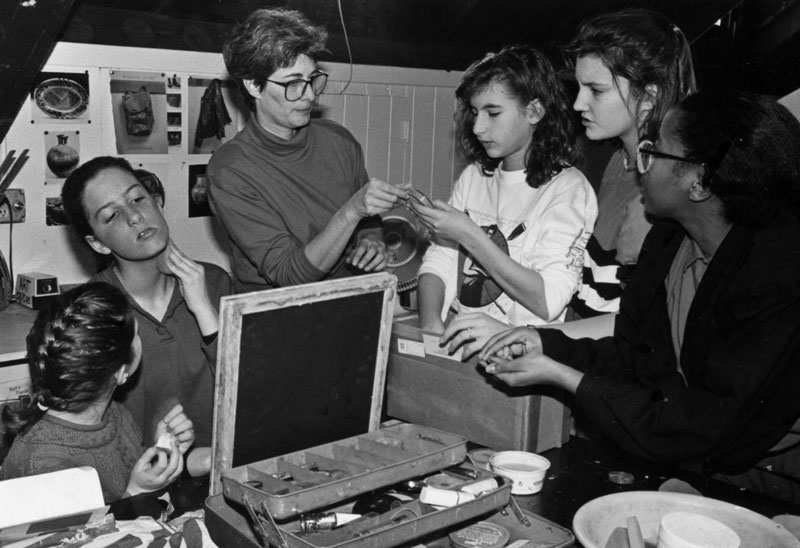
The dual-play format is a clever and practical solution to ensure all Class IV students are equally involved in the production of a play with a limited cast. “Each student acts in one play and then serves on a committee supporting the other play,” explains Head of Performing Arts Felicia Brady-Lopez. Committees include those responsible for the set, costumes, and music. “The sets are painted, the music is played, and all backstage work is completely done by the Class IV students,” says Mr. Johnson—with preparatory teaching and guidance from Technical Director Andrés Puigbó, Costume Designer Jessica Pribble, and Music Director Andrew Marshall.
95
Years
Class BAnners
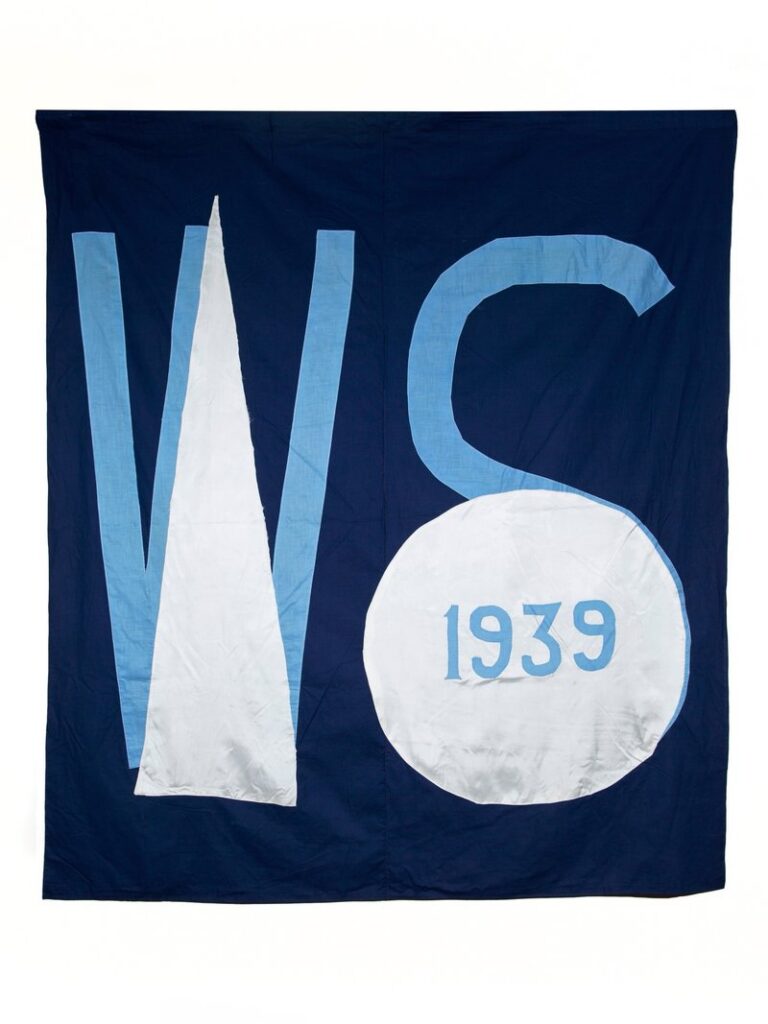
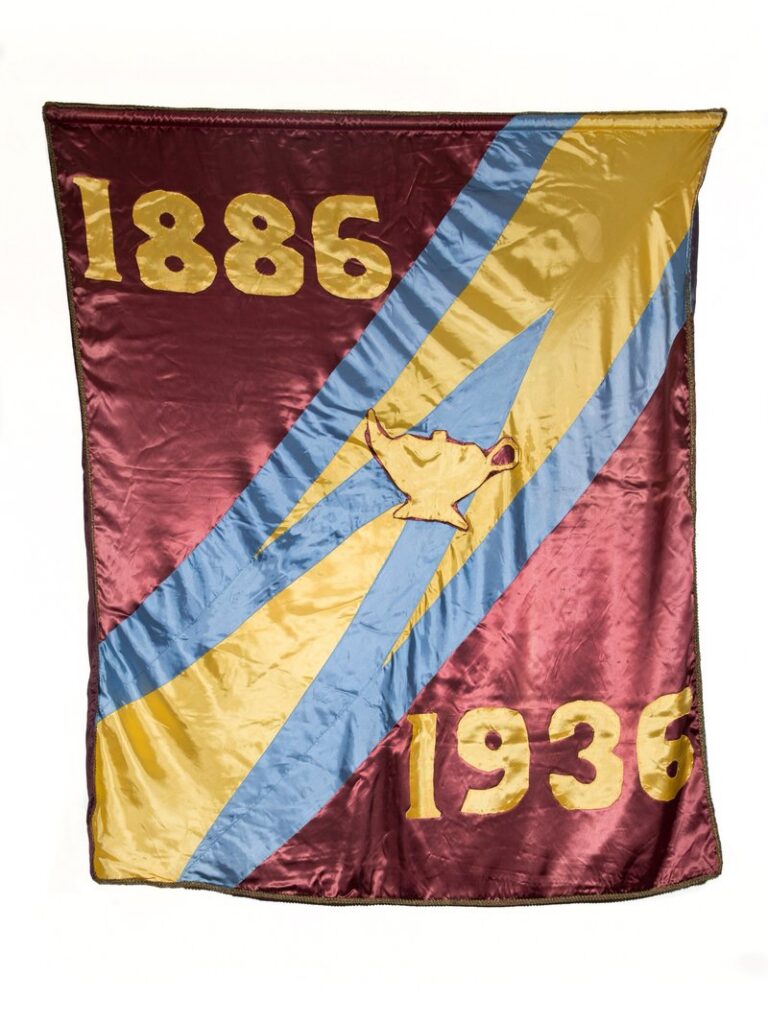
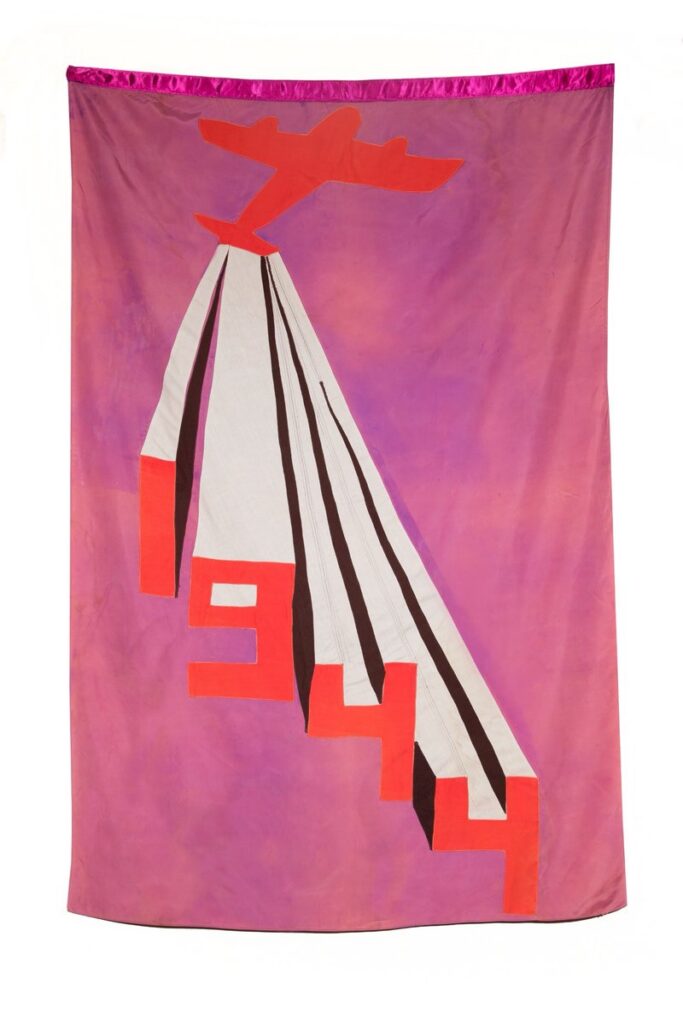
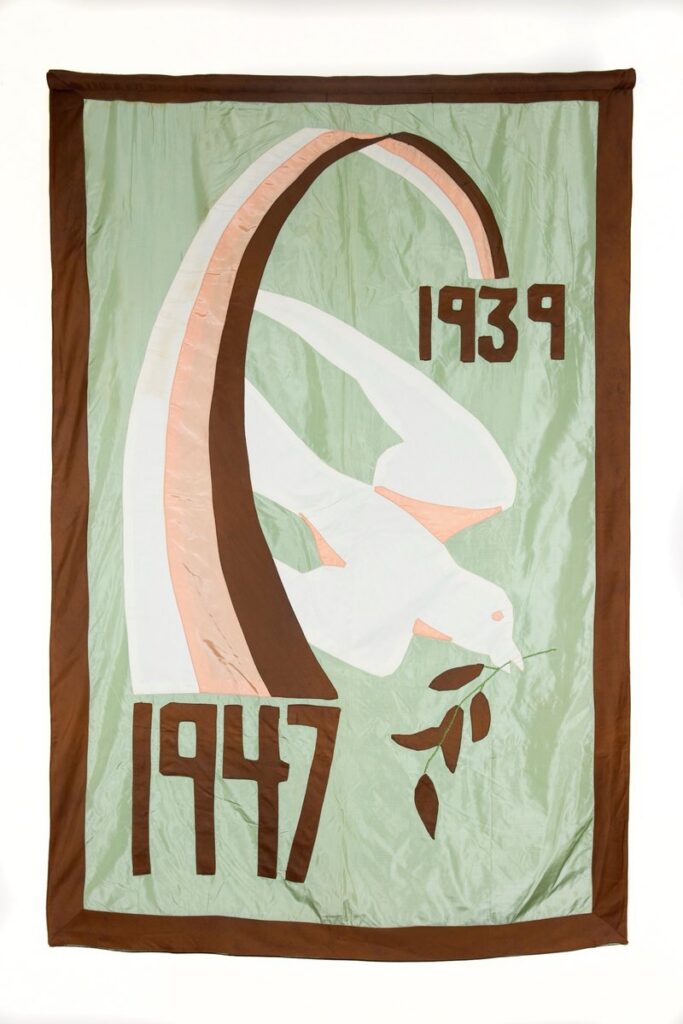
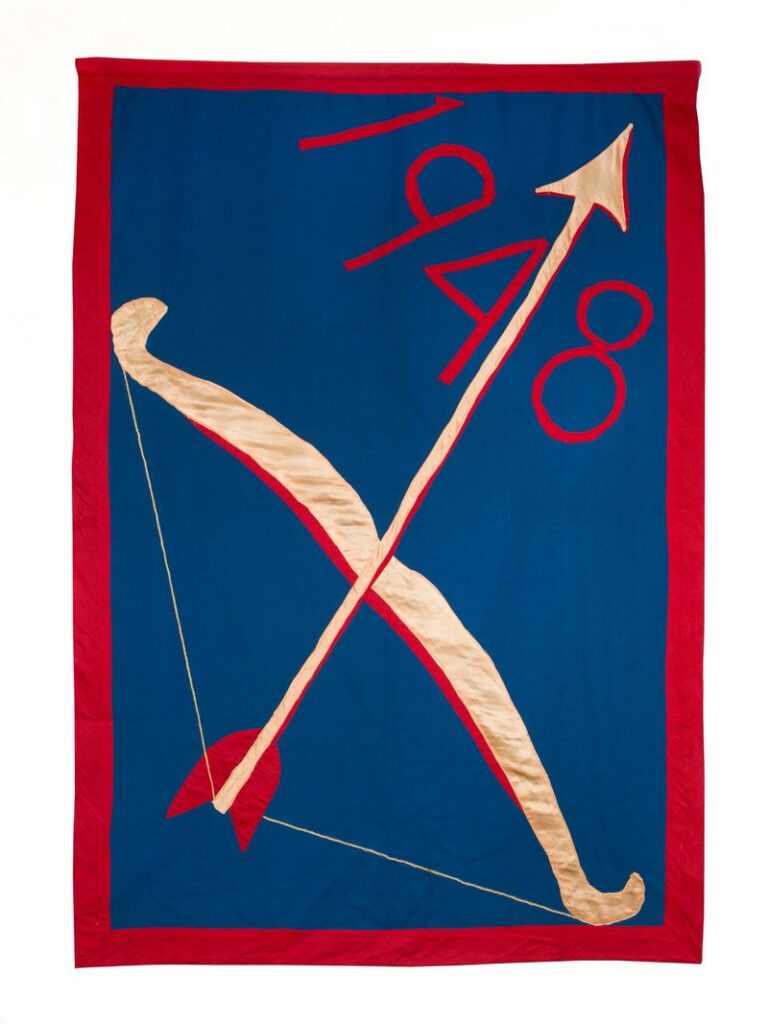
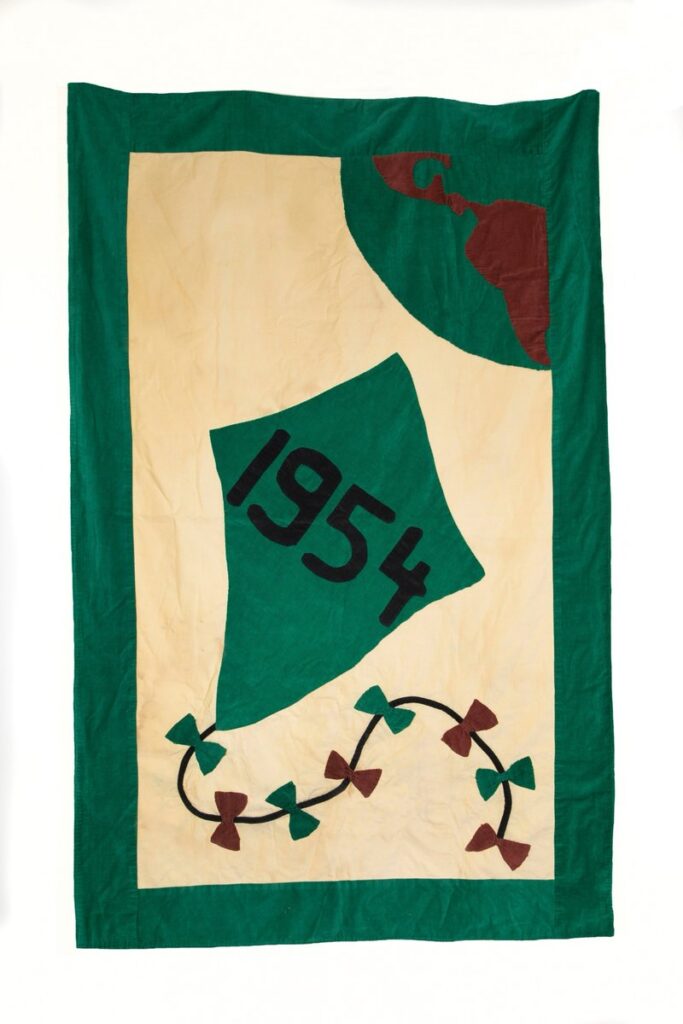
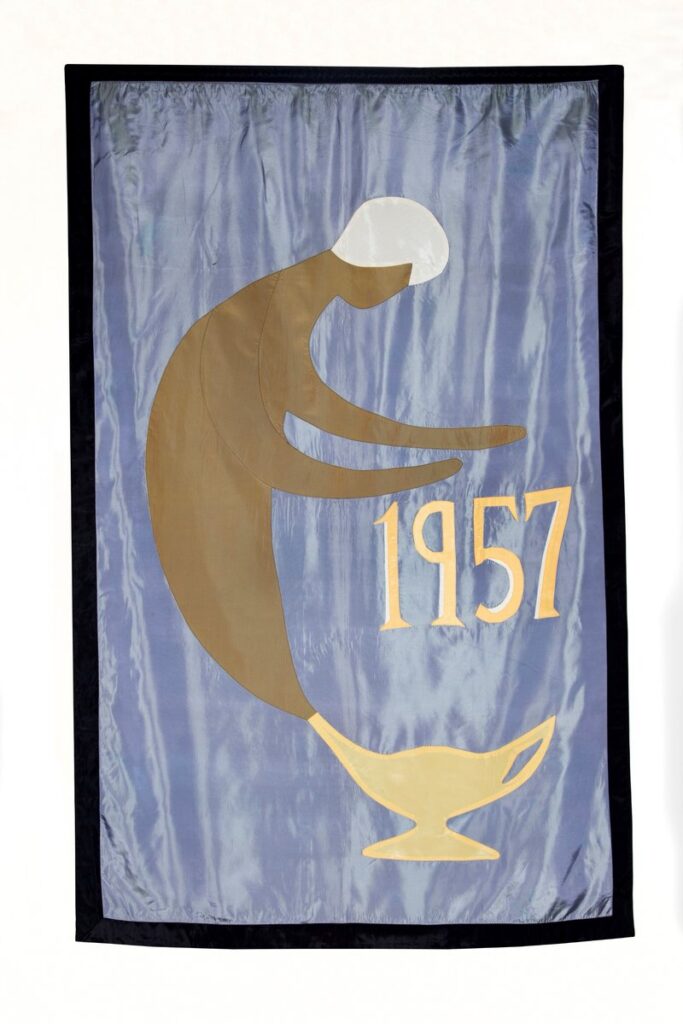
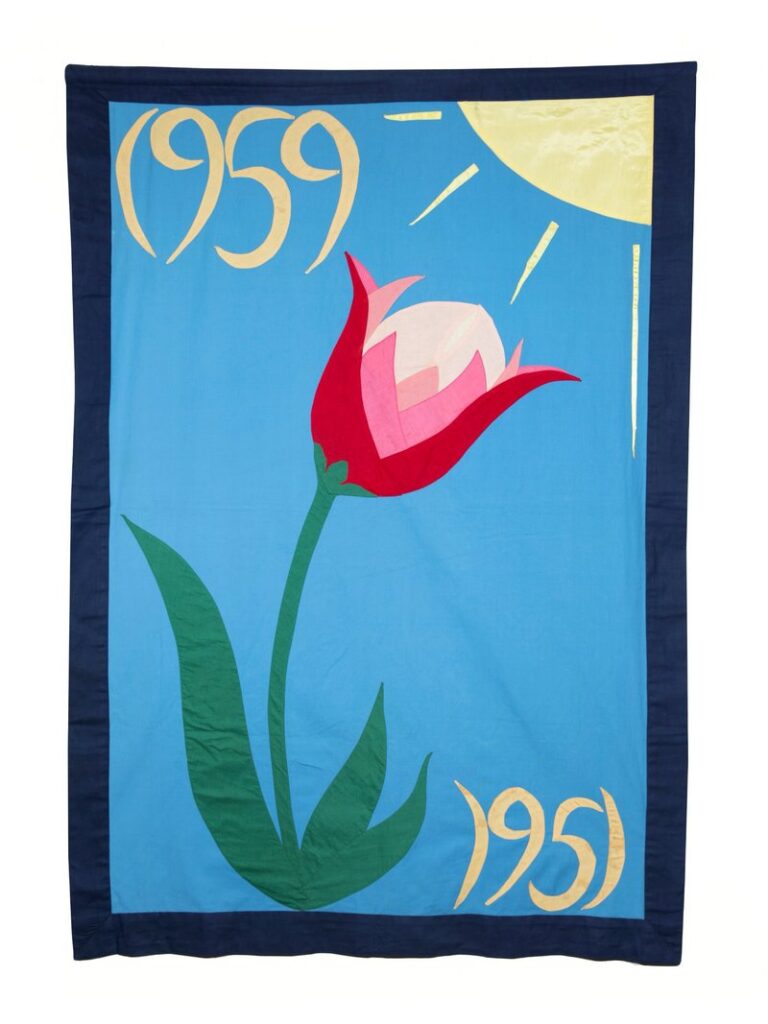
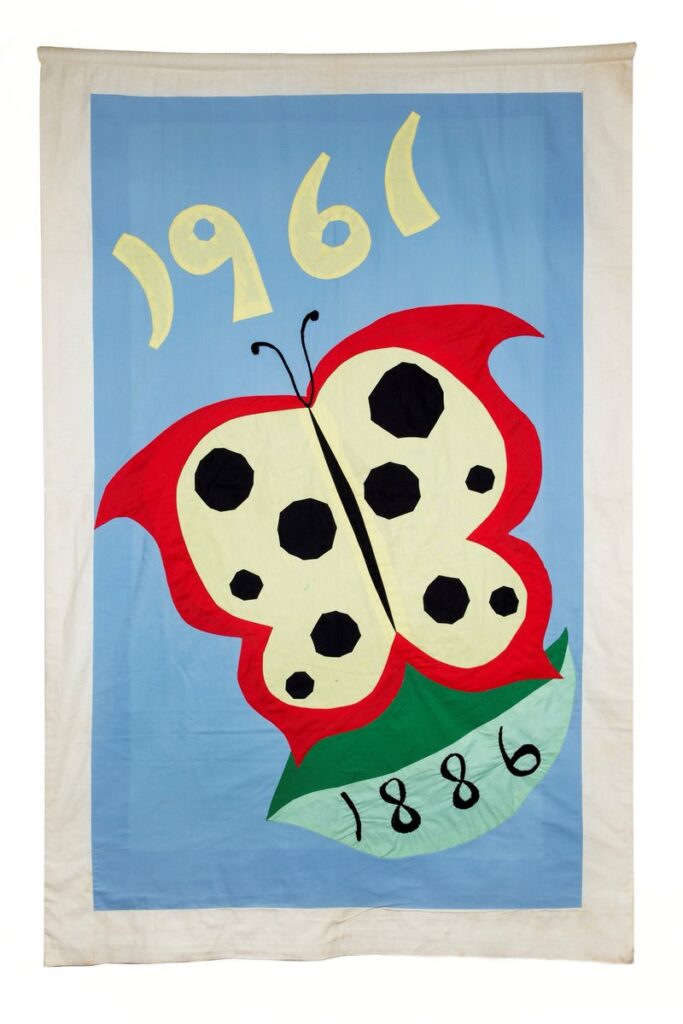
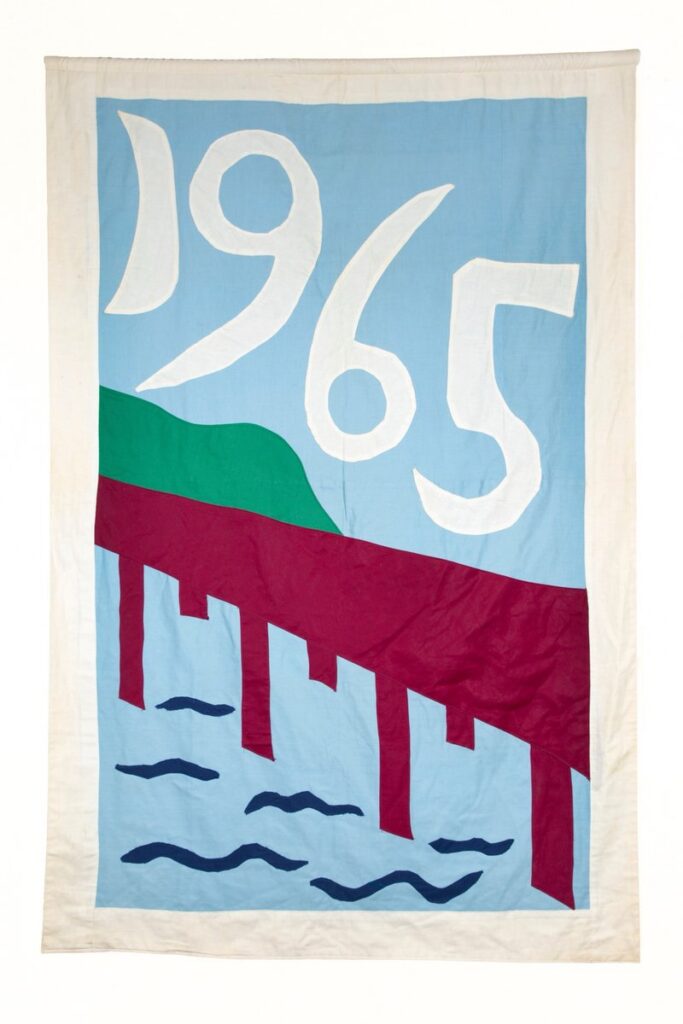
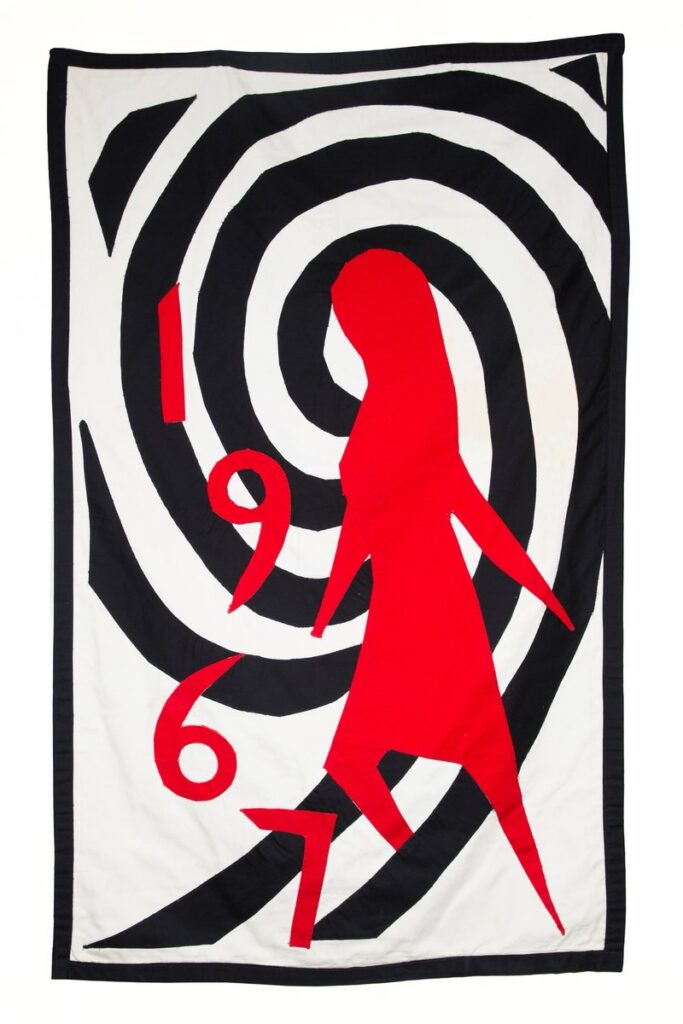
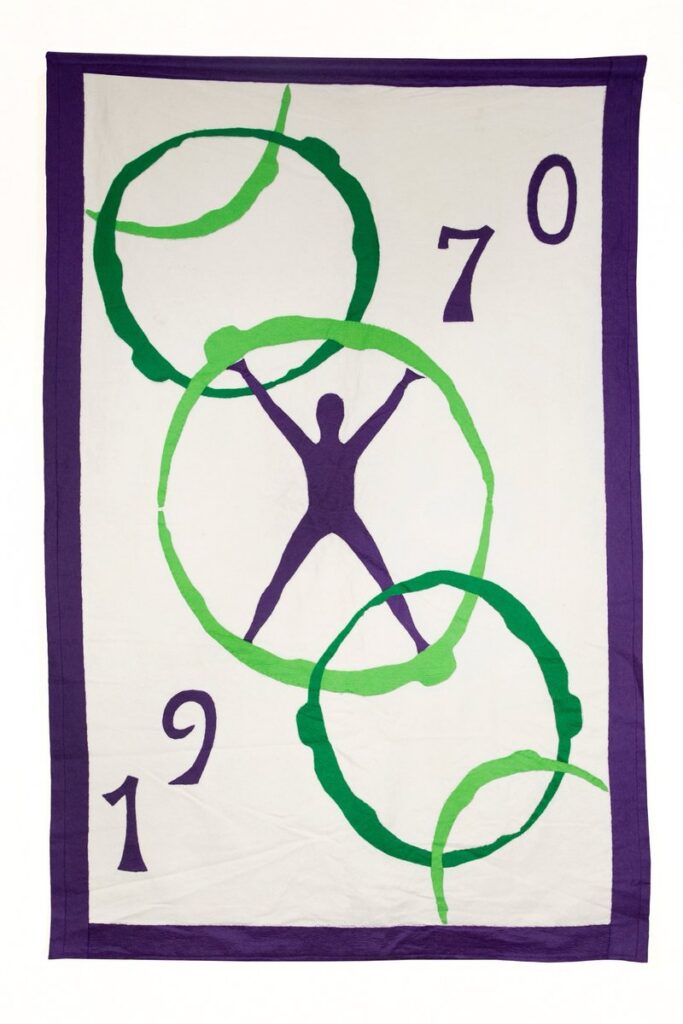
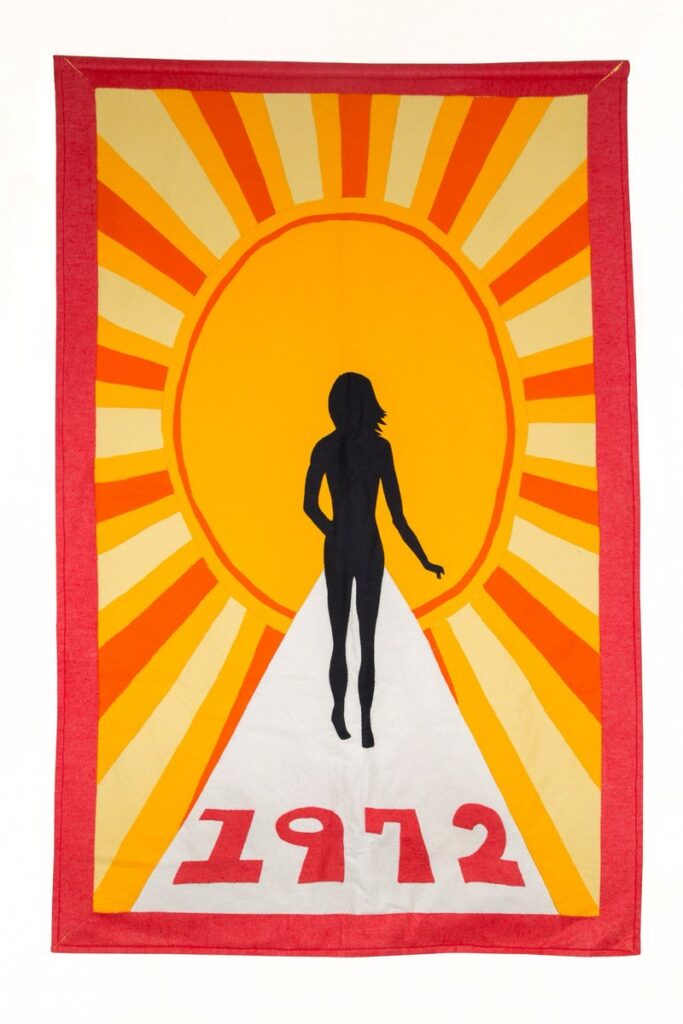
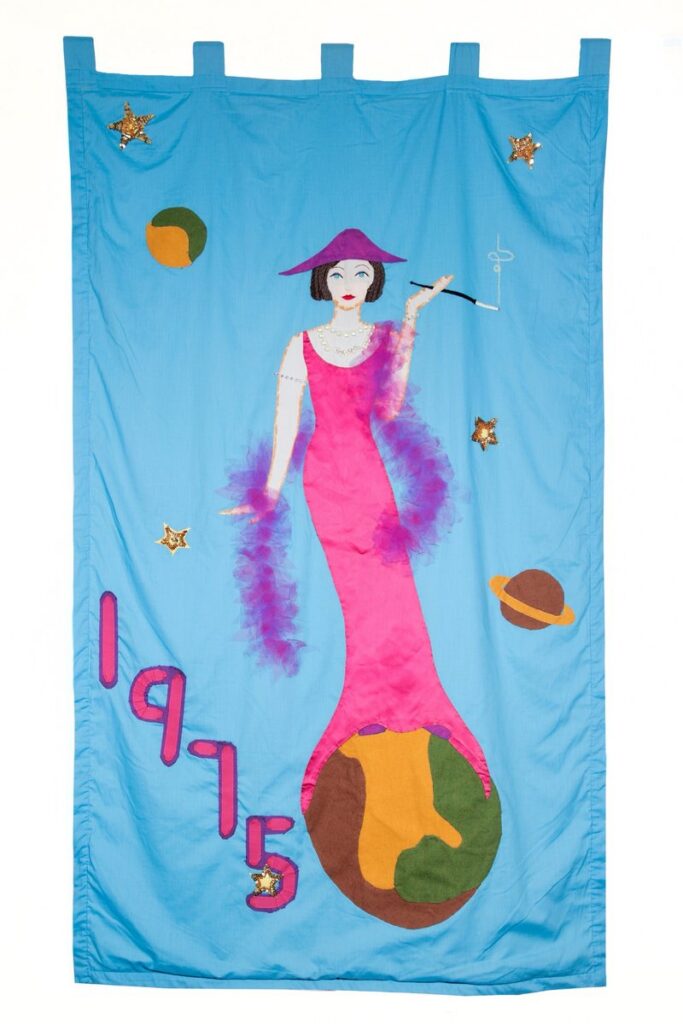
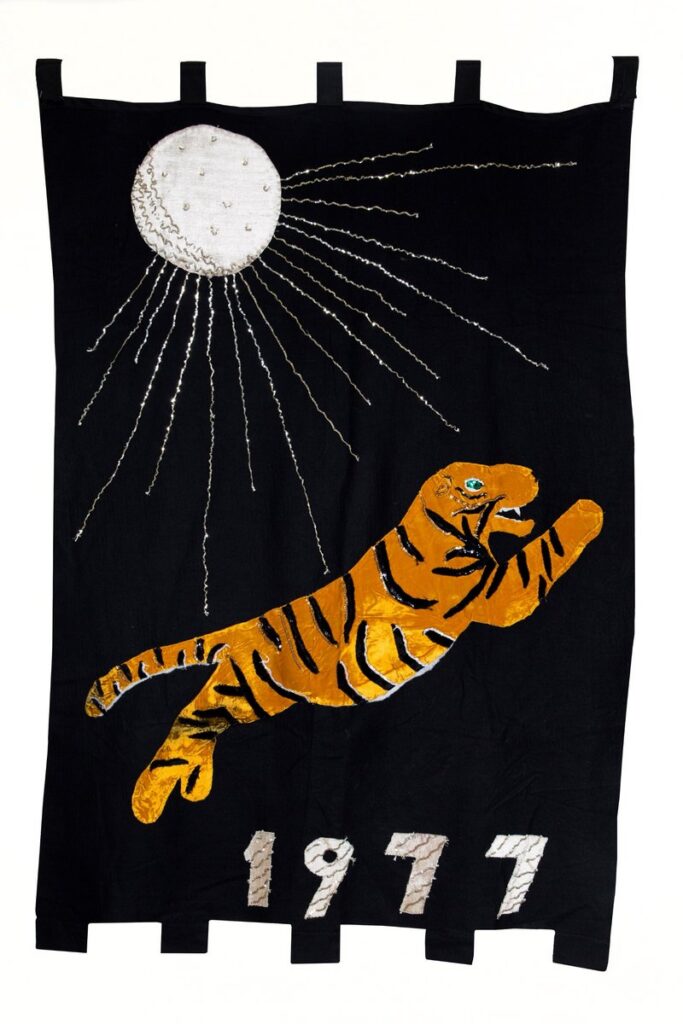
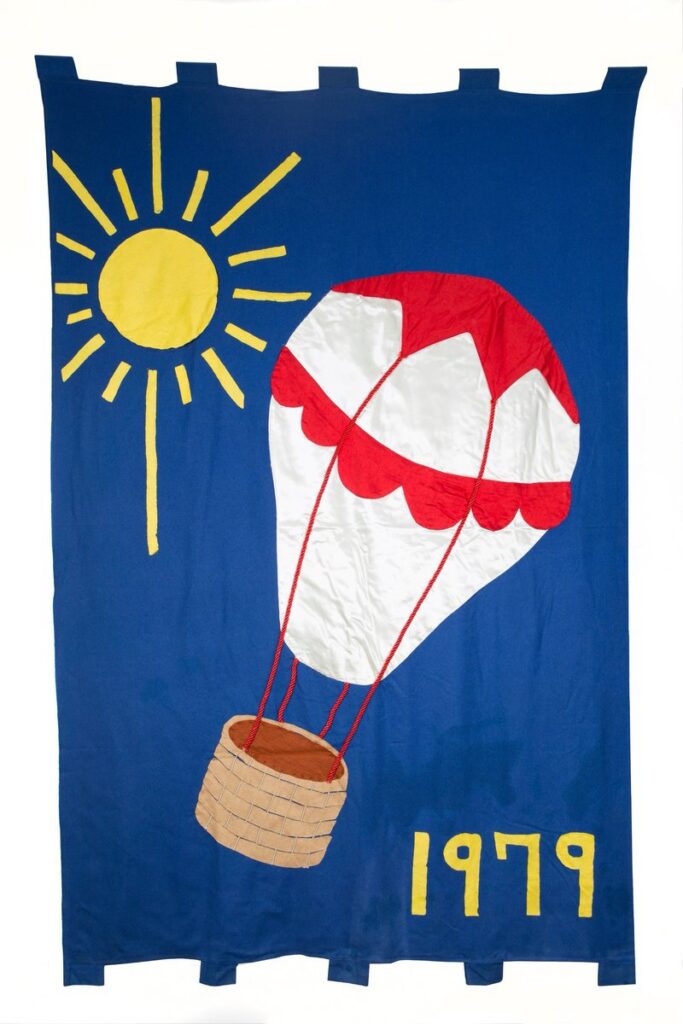
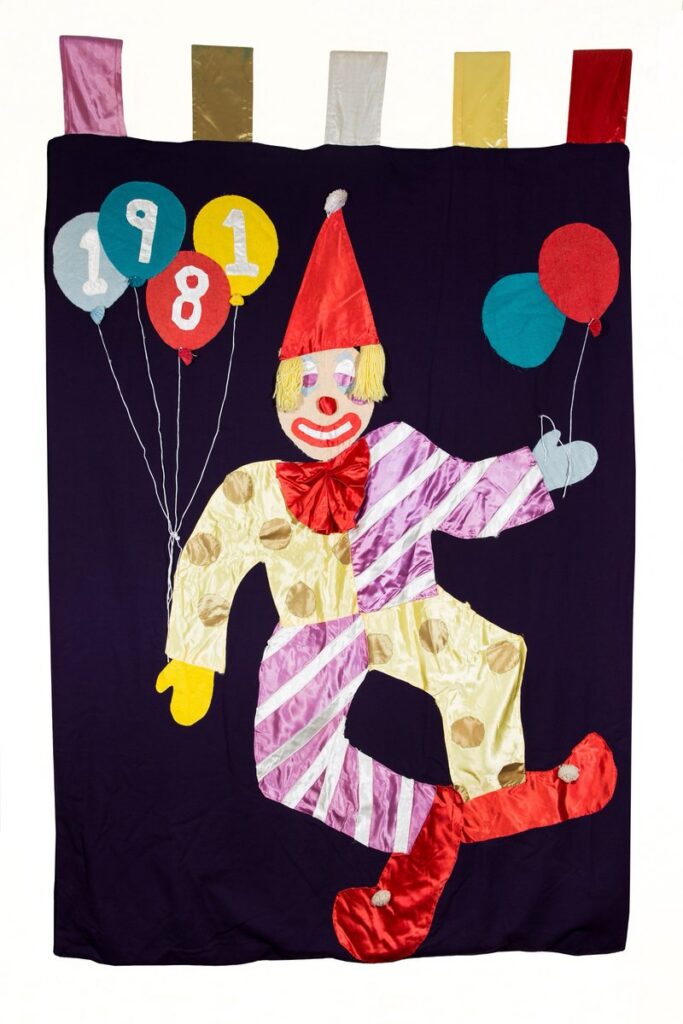
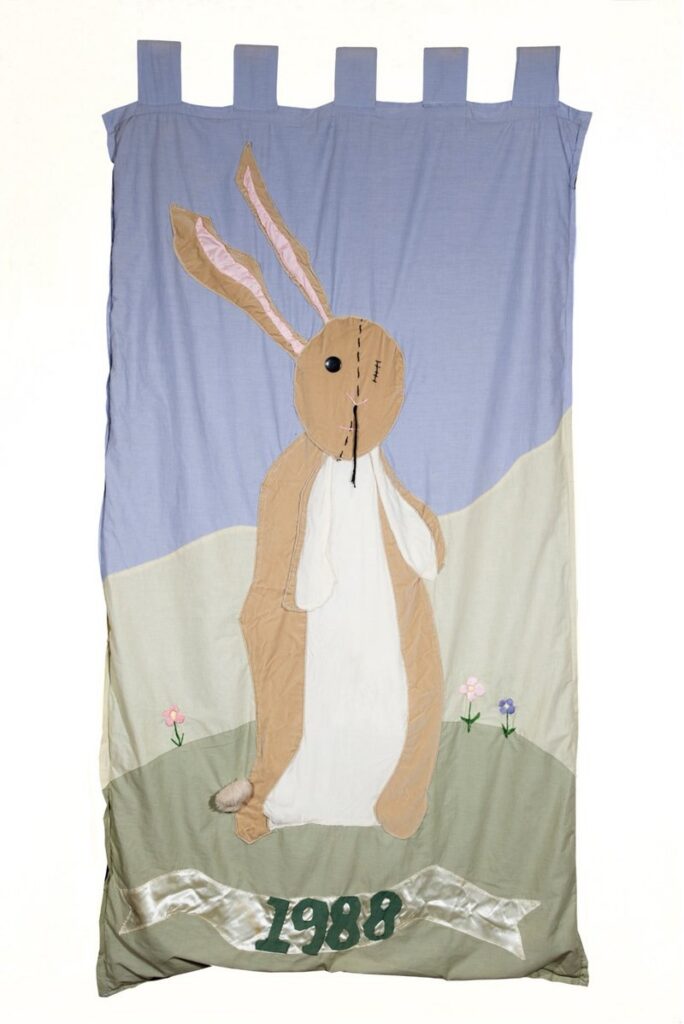
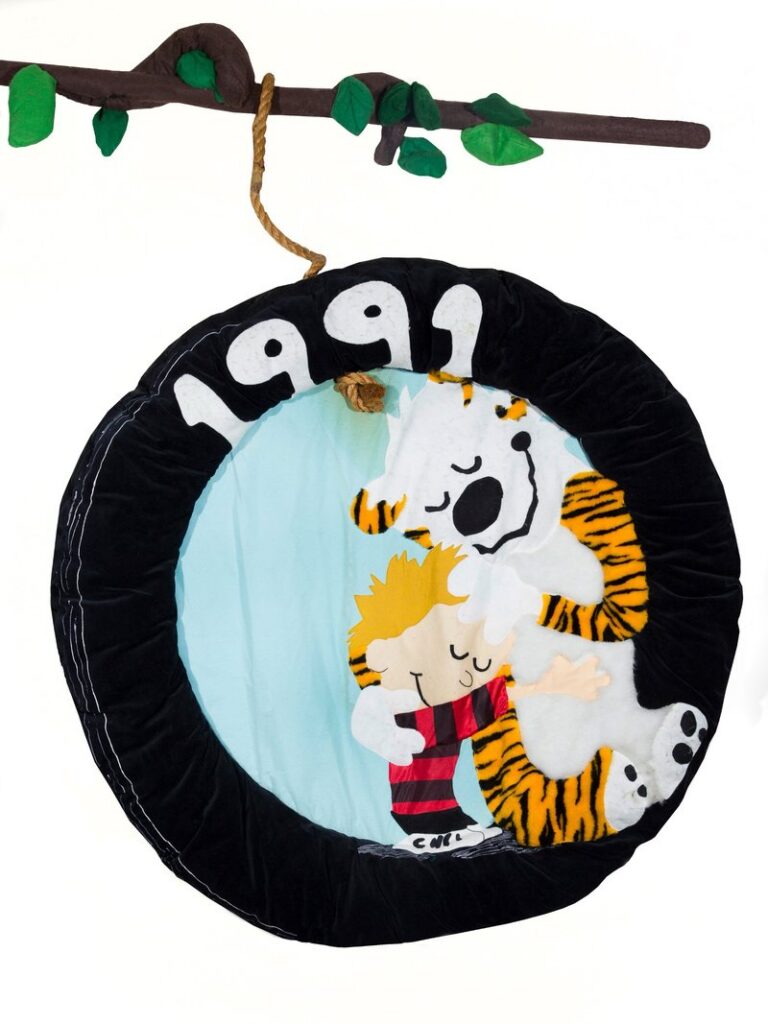
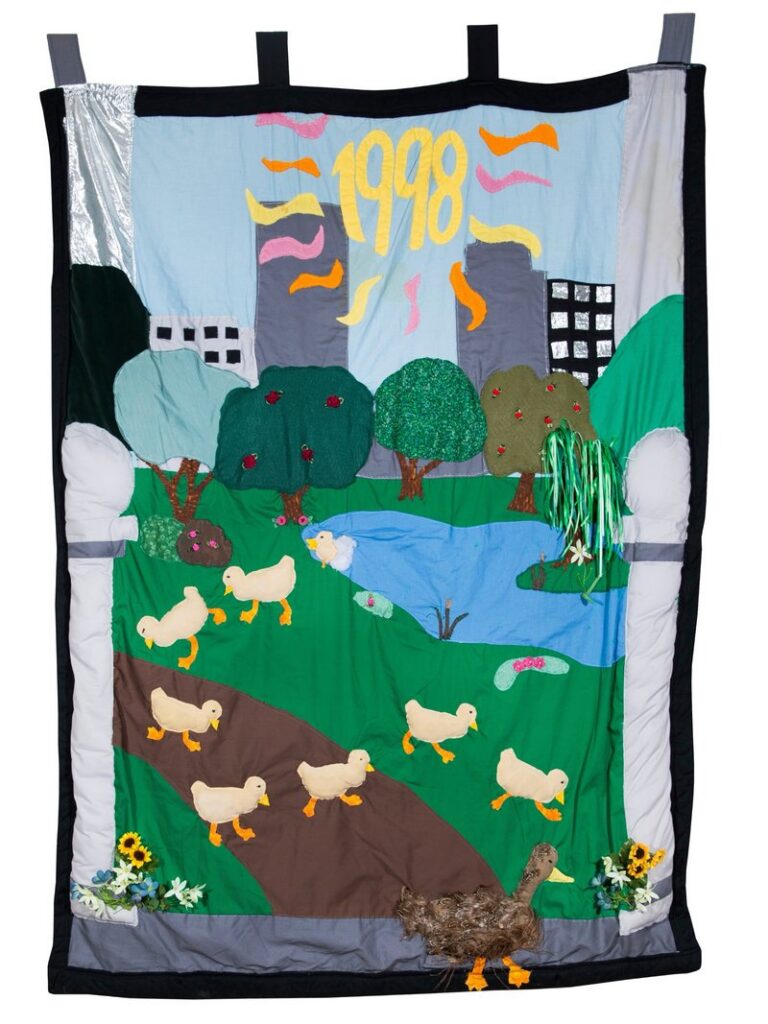
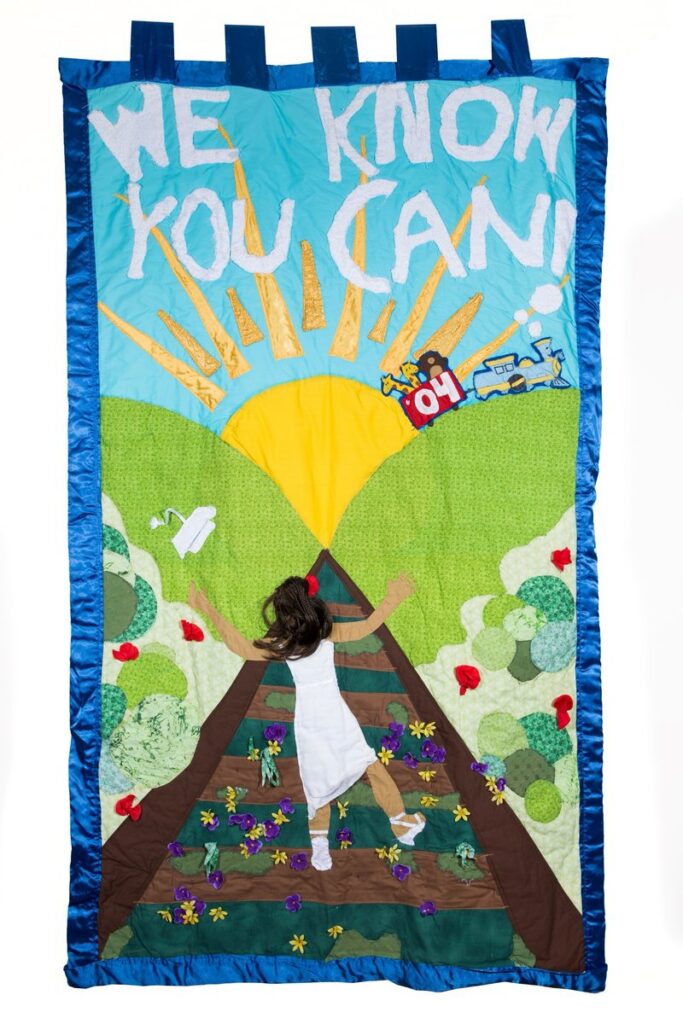
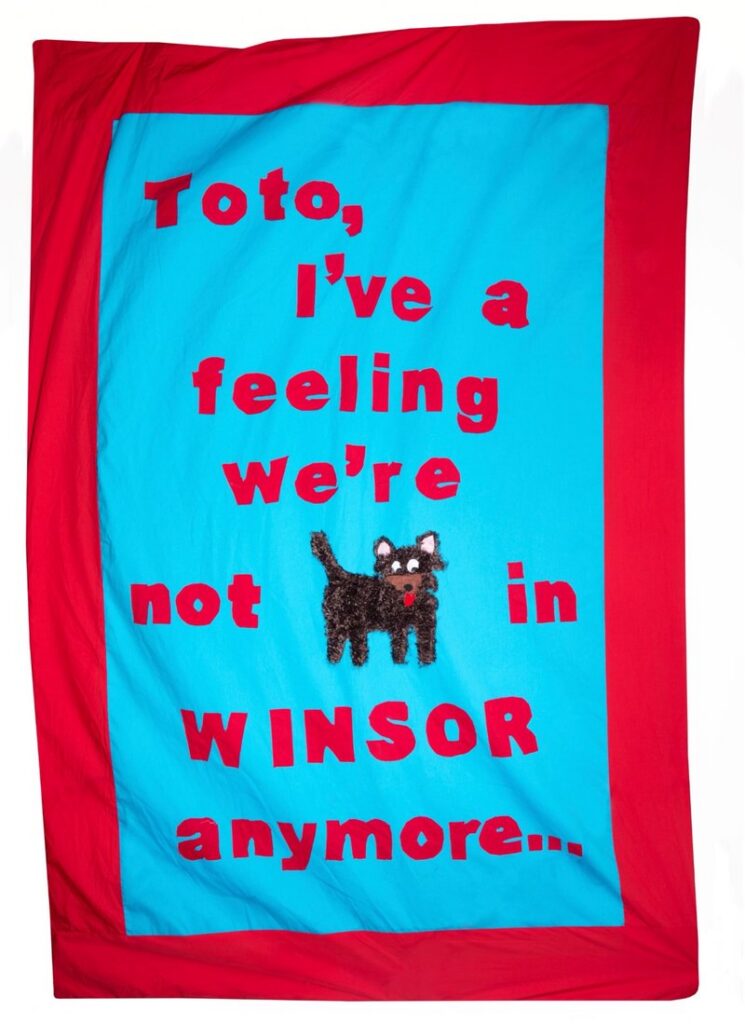
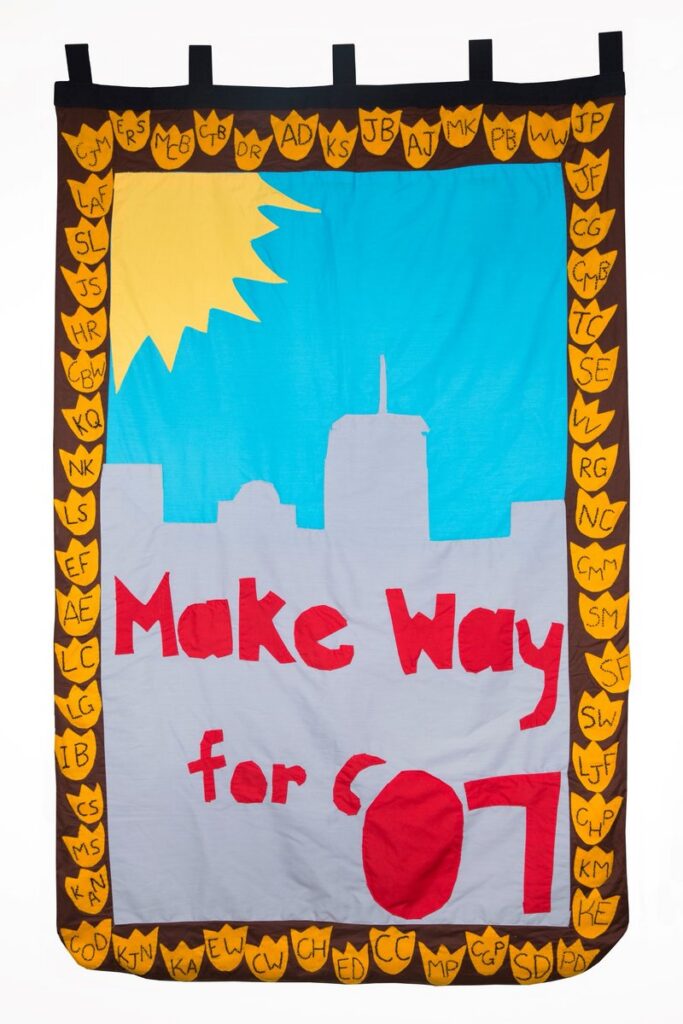
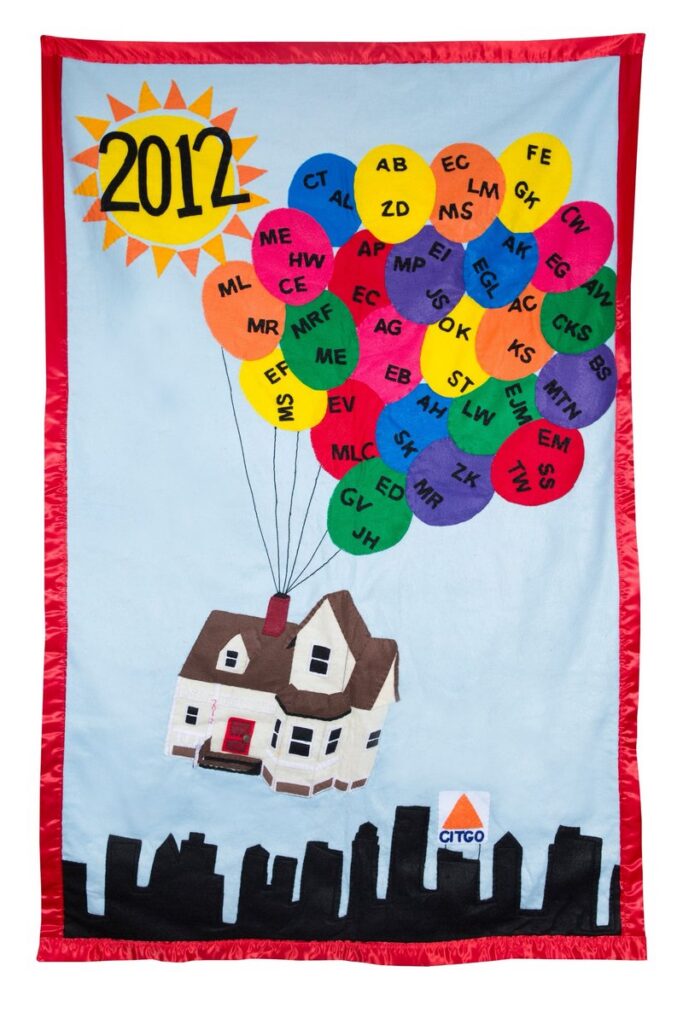
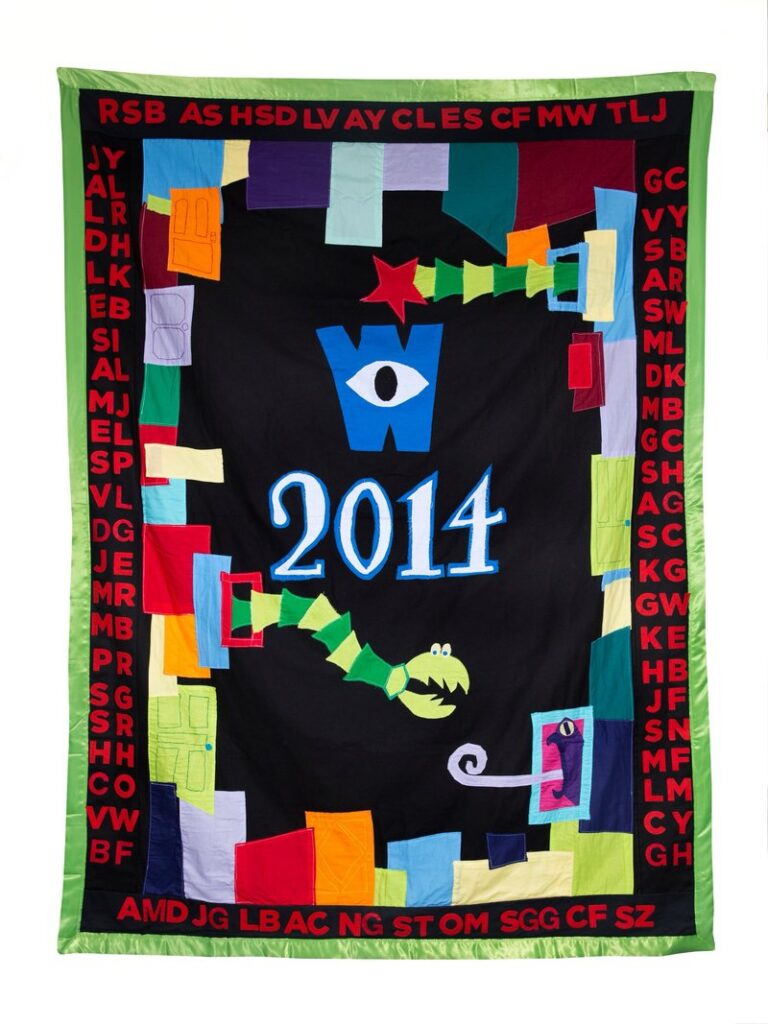
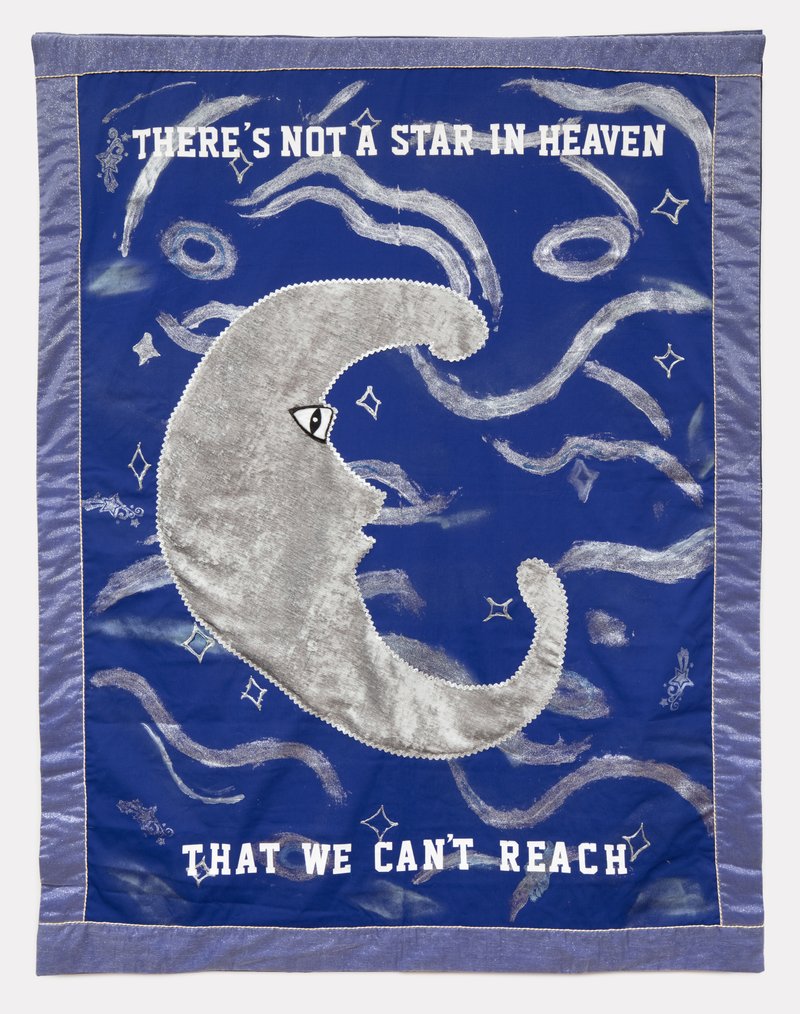
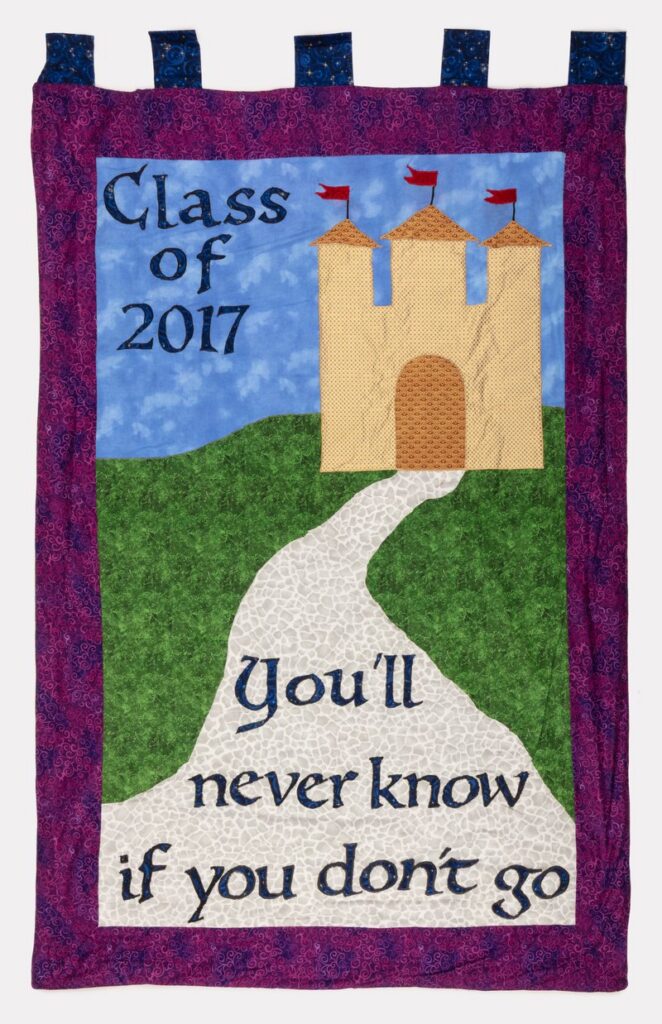
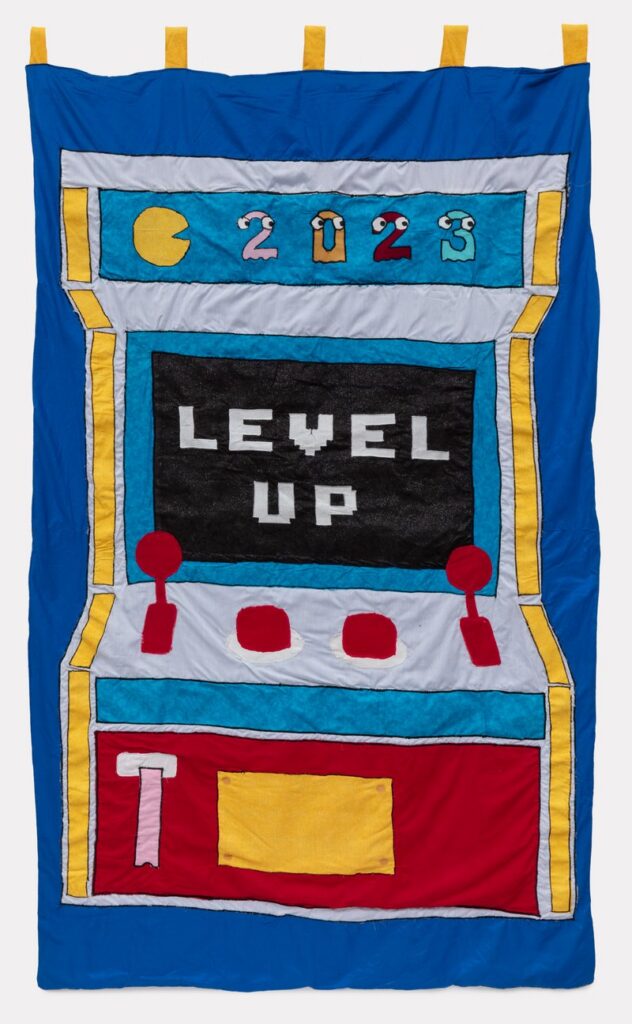
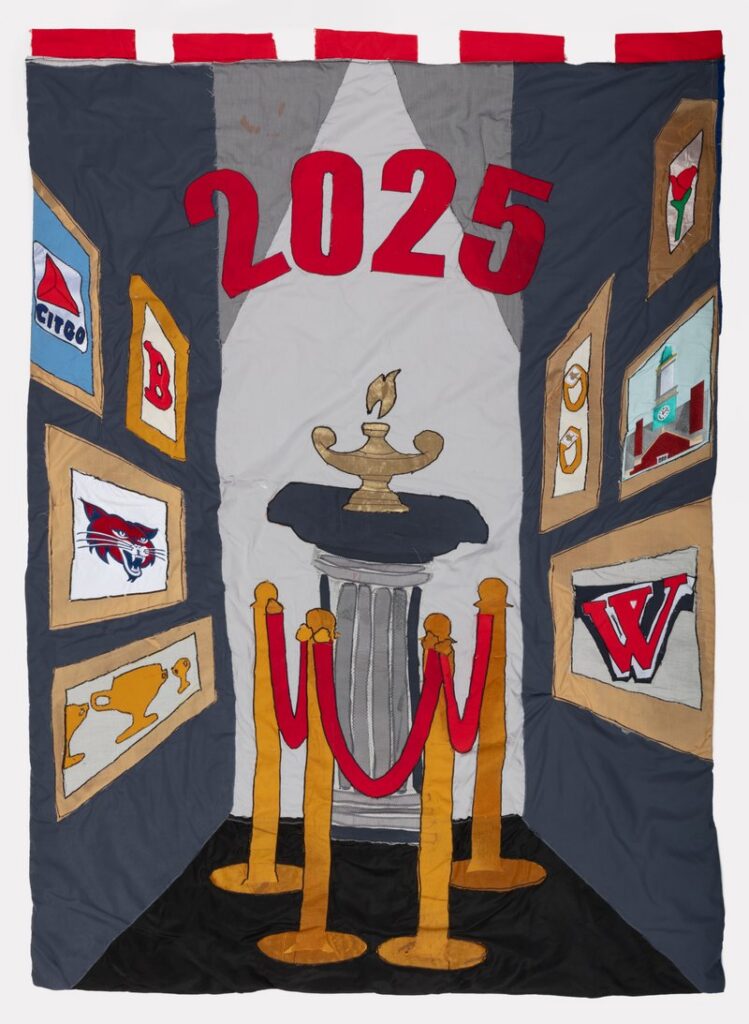
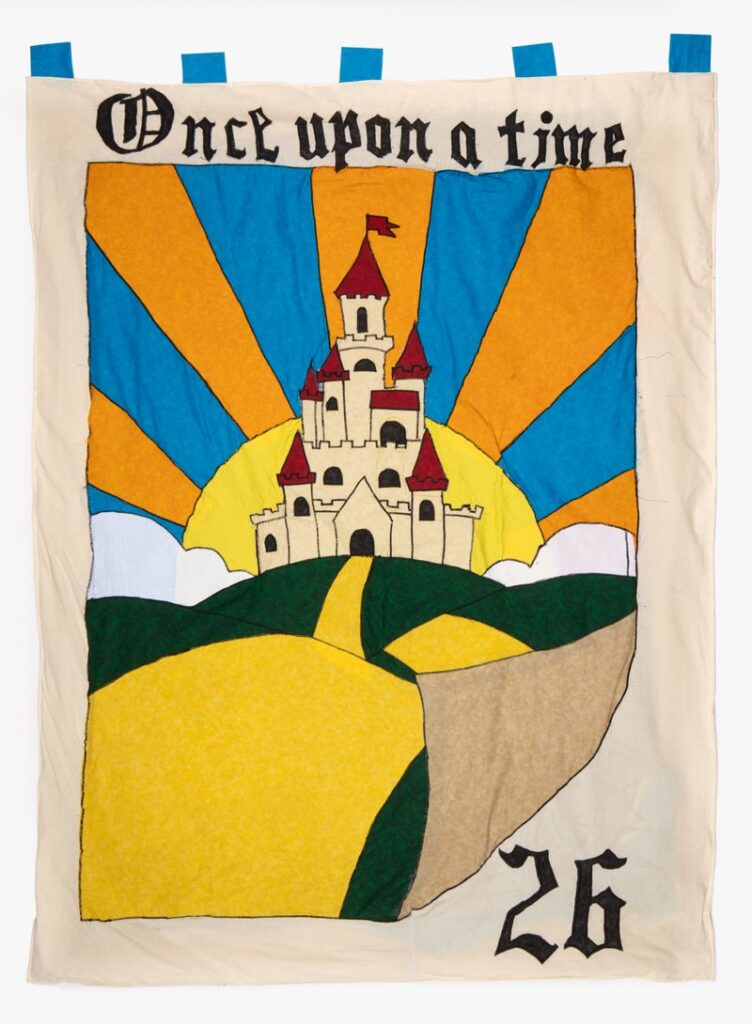
Since 1931, hand-sewn banners made by Winsor sophomores have been presented to Winsor seniors. After creatively honoring the year’s seniors, the makers get to enjoy the tradition from the other side two years later.
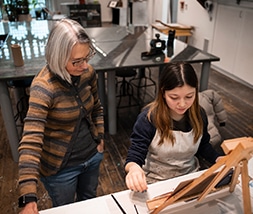
Today, Costume Designer Jessica Pribble assists with the sketching and sewing process, often teaching students how to use a sewing machine for the very first time. The ceremonial unveiling has changed through the years and now takes place during a special all-school assembly.
The tradition of making and receiving a banner remains among the most vivid memories for alumnae, and reunion classes still relish seeing their own banners on display at Alumnae Weekend.






53
Years
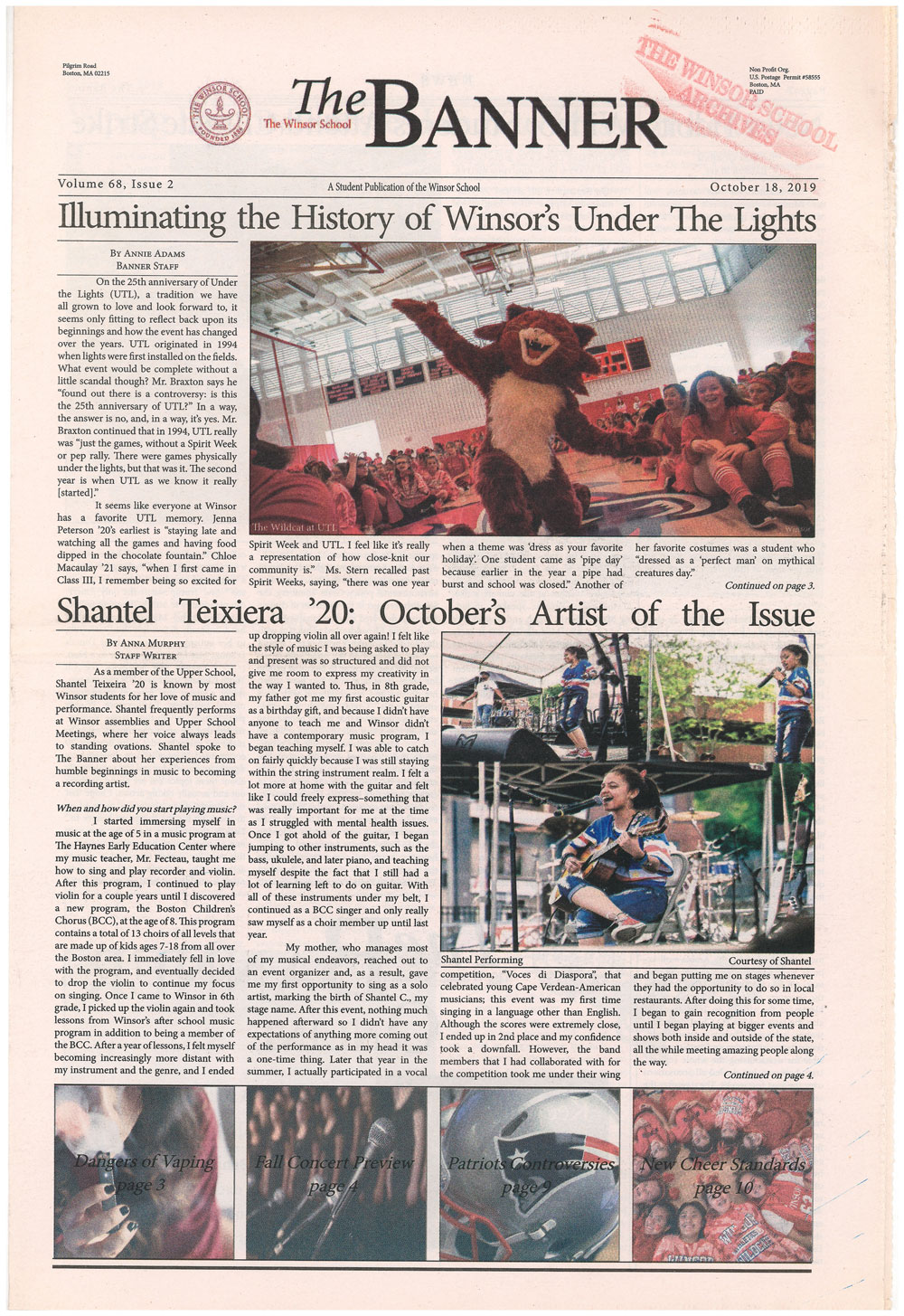
The Banner
In 1973, Winsor journalists joined forces with peers from the Belmont Hill School for the first coordinated edition of The Panel newspaper. The boys’ school launched a school newspaper in the 1950s, so called to honor the longstanding tradition of Form VI boys carving their own panel to be hung on the walls of the school.
Over the years, Winsor began publishing its version of The Panel and engaged in switch days with Belmont Hill where Winsor’s executive staff shadowed the day-to-day lives of their Belmont Hill counterparts, and vice versa. Of the five issues printed a year, joint issues and now collaborative articles echo the tradition that began in 1973.
The editor in chief had always been a Belmont Hill senior, that is, until 1979 when Winsor’s own Elizabeth Harding ’82 became a coeditor. The newspaper continued to evolve, and in 2012 students even launched a website.
Then, in the spring of 2019, after thoughtful discussion around the history and future of the student newspaper, Winsor students voted to usher in a new era and change the name of the publication from The Panel to The Banner. Winsor senior and then Editor-in-Chief Teresa Lawlor ’19 helped lead the initiative to make a change. “We wanted to change the name of the newspaper in order to reflect the traditions and characteristics of our own community,” said Teresa. “Collaborating with BH students on joint issues is a valuable experience and will certainly continue, but we believe that it is time for Winsor’s school newspaper to have a name that represents how the publication has developed into its own entity.”
From among several student-proposed names, the vote went to The Banner, named for the long-standing annual tradition of Class VI sewing a class banner for Class VIII that is displayed at Commencement, and again at milestone 10th, 25th, and 50th reunions.
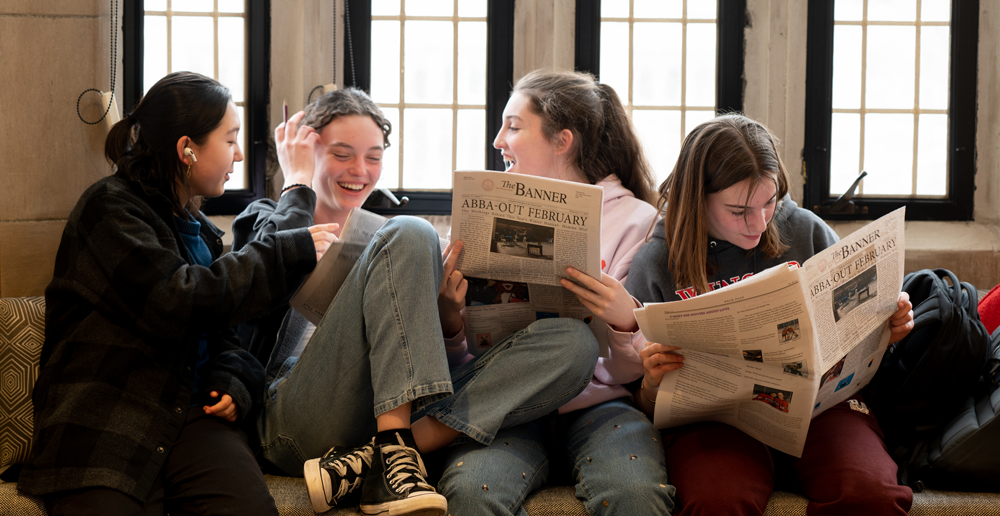
Today, The Banner is a student-run newspaper that publishes online articles and five print issues a year across five pods: News, Opinions, Arts & Lifestyle, Sports, and Backpage.
51
Years
Head of the Charles Regatta
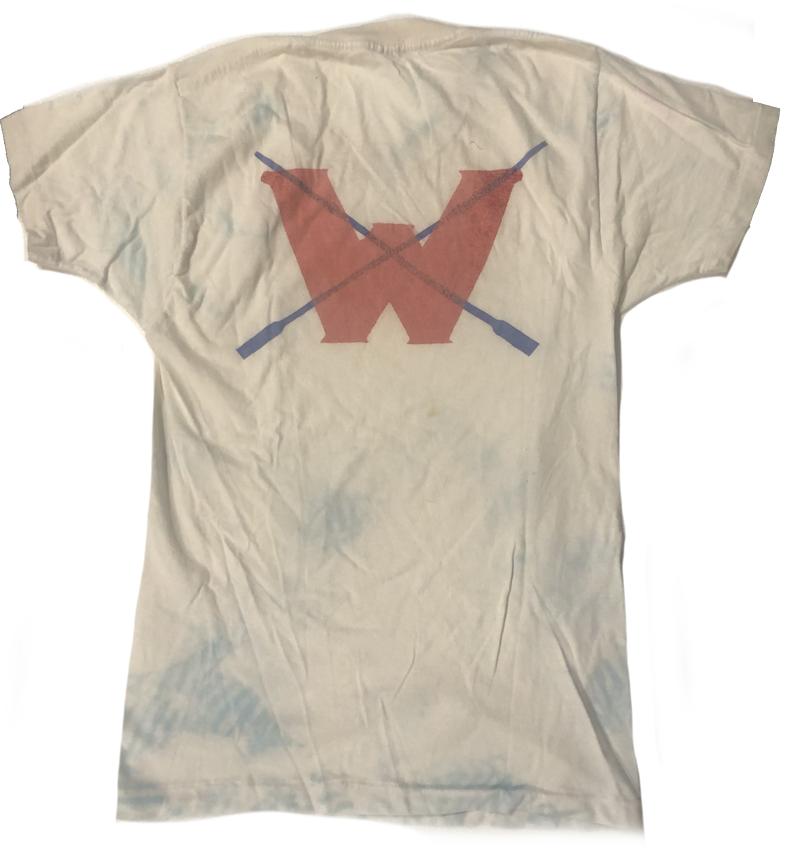
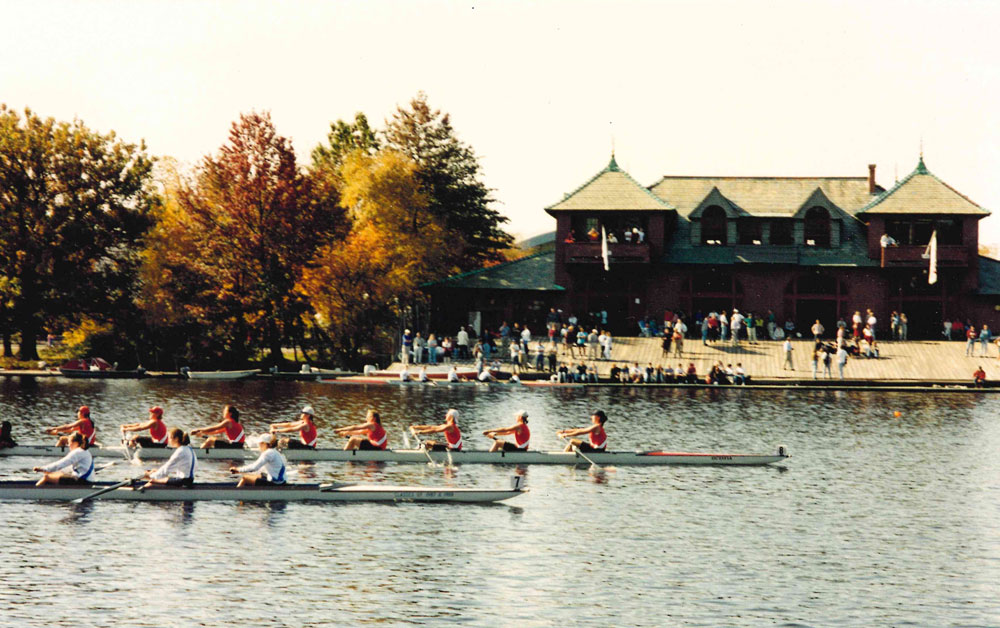
While the Head of the Charles Regatta (HOCR) has welcomed crews to the Charles River since 1965 and the first woman rowed at HOCR in 1969, official dedicated women’s events were not formally introduced until 1972—the same year Title IX was passed. According to HOCR digitized programs, Winsor entered a crew not long after, in 1975.
The Winsor and Belmont Hill Boathouse, located at 5 Greenough Boulevard on the Charles River in Cambridge, Massachusetts, was built and expanded in 2001. The site originally housed an older structure (c. 1974) before undergoing major renovations and additions by Architectural Resources Cambridge. While many of the 20+ boathouses along the Charles River belong to universities or private clubs, Winsor is one of just a handful of high schools with a boathouse along the historic stretch (others belong to Noble and Greenough School, Dexter Southfield School, and Buckingham Browne & Nichols School). Today, Winsor and Belmont Hill crews practice and compete out of the boathouse in the fall and spring.
A highlight of the season is when Winsor competes in the HOCR, the largest rowing competition in the world. Many alums and their families return to the Winsor Belmont Hill Boathouse, which boasts a prime view of the course at a pivotal turn by the Eliot Bridge, to watch the races. In 2025, more than 250 supporters gathered on the dock. Alums often share that their favorite part about the HOCR is coming back to the dock— even though they don’t know the current athletes, seeing the Winsor oars makes them feel at home.
The timing of Under the Lights coincides with the HOCR so that on-campus contests on Friday are paired with weekend races on the Charles River, creating a weekend-long celebration of Winsor athletics.
33
Years
Winsor and Roxbury Latin Joint Concert
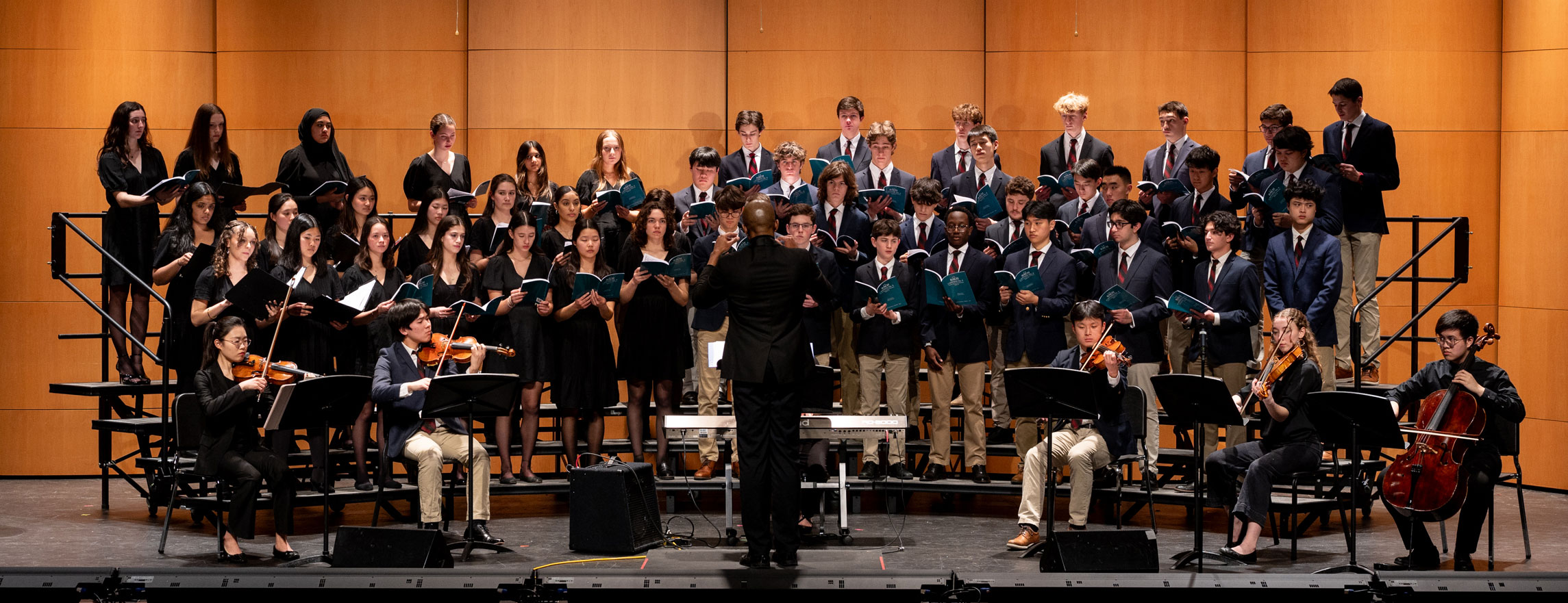
With Winsor girls learning the soprano and alto, and Roxbury Latin boys learning the tenor and bass, students are able to combine their voices once a year to perform a full-length masterwork. Each school prepares the music separately until the week of the concert, when the schools’ singers are finally brought together in choral and choral-orchestral dress rehearsals to refine the piece.
“Together, we were able to do a full-length masterwork, which otherwise we could not do,” explains former Winsor Choral/Music Director Lisa Taillacq. Ms. Taillacq founded the annual March concert in 1993 with former Roxbury Latin Director of Music Ethan Sperry after several years of successful musical collaborations with the school’s eventual headmaster, Kerry Brennan.
From historical pieces by Mozart, Brahms, and Haydn to modern pieces by John Rutter and Randall Thompson, the breadth of sacred and secular masterworks over the years has been extraordinary.
Student singers and soloists perform alongside orchestras assembled from freelance adult professionals, graduate students, and Roxbury Latin or Winsor students (and sometimes faculty or parents). The schools alternate years and take turns hosting the concert. Since 2020, the host school handles conducting and artistic director duties (previously, the conductors took the podium for about half of the movements).
Today, the beloved collaboration is led by Winsor Choral Director Andrew Marshall and Roxbury Latin Director of Music and Kerry P. Brennan Chairholder in Music Rob Opdycke. “Our joint collaboration is a highlight of the year, and the students look forward to it with much anticipation,” explains Mr. Marshall.
Mr. Opdycke recalls his first year at Roxbury Latin when, in the fall of 1999, the Roxbury Latin Glee Club, the Winsor Chorale, and Winsor Small Chorus (now called Illumina), were invited, separately, to perform on stage at Carnegie Hall in New York City as part of a MidAmerica Productions high school showcase. “In preparation, they performed Randall Thompson’s Frostiana as their annual joint concert piece. Then instead of performing individually at Carnegie Hall, they decided to perform the Frostiana piece—along with several other choruses and a professional orchestra—together. ”
The tradition endures perhaps most especially because together the choral programs can do something neither school can do individually. Mr. Marshall explains, “Students appreciate the exposure to the masterworks literature and enjoy interacting with each other while preparing and performing the music.”
32
Years
Spirit Week and Under the Lights
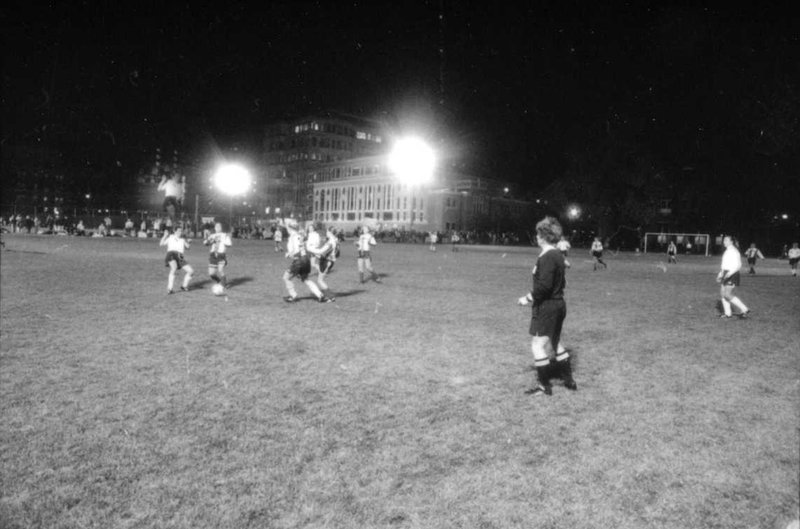
For over three decades, Under the Lights (UTL) has endured as one of Winsor’s newer campus traditions. The annual fall event developed organically over several years, growing out of the simple excitement of a night game beneath shiny new lights.
The first “official” UTL is often cited as 1994, and files found by Winsor Archivist Chelsea McNeil support this conclusion. One 1994 invitation reads, “The Winsor School cordially invites you to a new event, ‘Under the Lights.’” Today, athletic contests include mid, junior varsity, and varsity teams across soccer, field hockey, and volleyball, with 11 games against 7 area schools. Hundreds of onlookers including current families and alums come to watch the games on campus.
Carolyn McClintock Peter, who served as Winsor’s head of school from 1988 until 2004, recalls the tradition’s origins. When the new fields were first constructed, she says, Winsor was trading athletic spaces with nearby Simmons College. In order to make the schedule work without sacrificing any of Winsor’s field sports, Winsor became the first among its cohort of Boston-area independent schools to have field lights. “And as soon as we had lights, the kids wanted to establish a night game,” explains Ms. Peter.
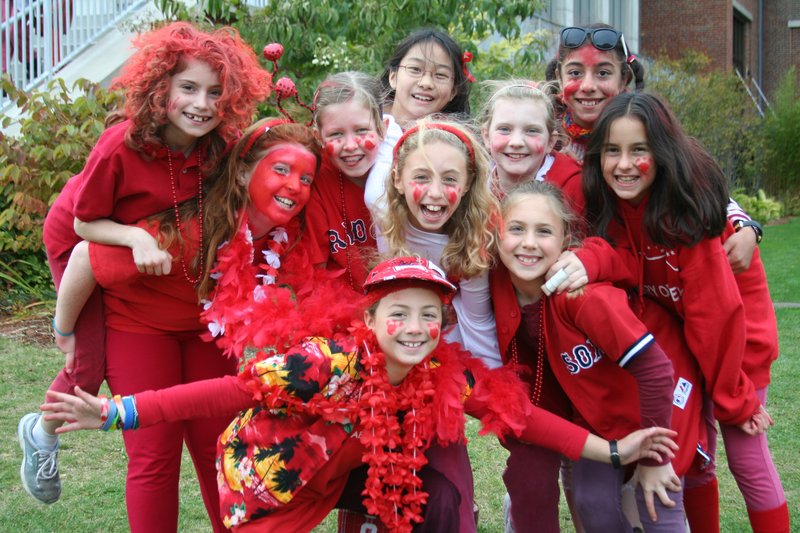
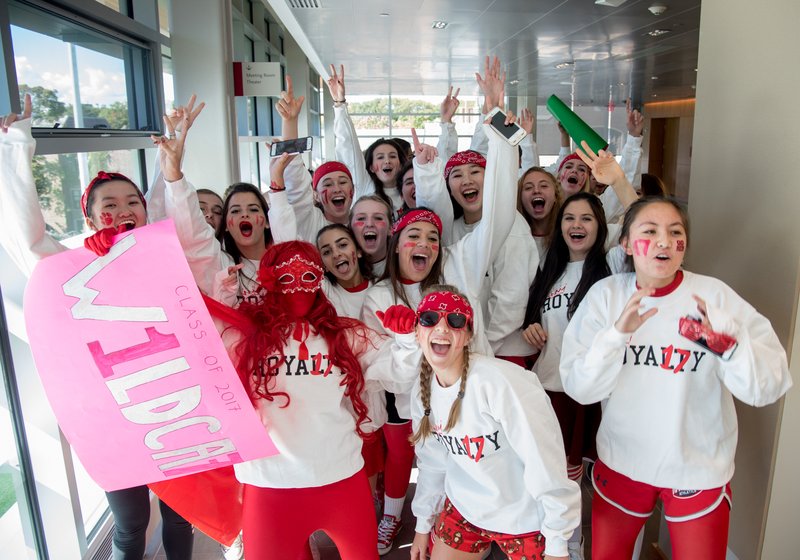
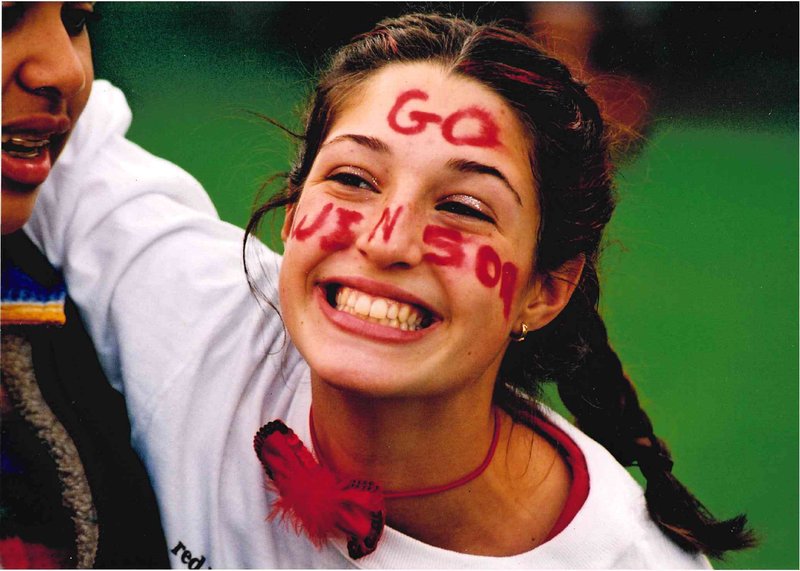
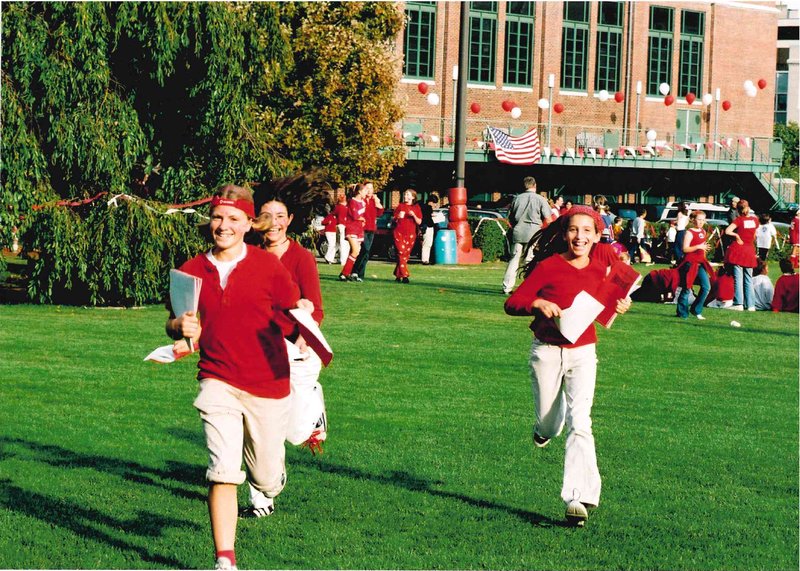
The night game has evolved into a weeklong celebration. In the days leading up to UTL, “Spirit Week” takes over the school with students, faculty, and staff dressing in costume according to student-selected themes. Spirit Week always culminates in Red Day, where the entire school becomes a veritable sea of red: red hair, red clothing, and red accessories. Abbreviated classes add to the excitement of a pep rally on Friday afternoon with competitions for class cheers.
As UTL gets underway, hundreds of spectators come out to support Winsor athletes, enjoy the festivities in the courtyard, and dine on a cozy fall menu in the dining room. The Parents’ Association (PA) makes the atmosphere particularly celebratory with decorations and spirit tables stocked with items such as red heart sunglasses, foam fingers, and beads. For the past few years, the PA, in collaboration with the Student Association of Fine Arts club and SASS, also staffs and supplies activity tables such as face painting, tote-bag decorating, bracelet making, and even a photobooth.
Blending athletics, community, school spirit, and fall fun, the event continues to bring everyone together for one Friday in October under the lights at Winsor.